Andrea Ferrero
Biography
Andrea is a visual artist based in Lima, Peru. She earned a BFA in Sculpture from the Pontifical Catholic University of Peru, received an Honorable Mention in the Premio a la Crítica in 2015, and was shortlisted for the Arte Laguna Prize in Venice in 2016. Her work has been featured in group exhibitions at several venues including MANA Contemporary (2017); Y Gallery (2017); Largo das Artes (2016); the Arsenale di Venezia (2016); and the Toronto Fringe Festival (2013), among others. Her first solo exhibition, Mil maneras de olvidar (A Thousand Ways to Forget), was presented at Ginsberg Galeria in 2017. She has also participated in artist residencies at Despina in 2016, MANA Contemporary in 2017, and Uberbau_House. Andrea is currently part of the FLORA ars+natura School program. Exploring ideas surrounding politics, society, and culture, Andrea’s work addresses the dynamics of memory and forgetting through the lens of the colonial city and its architecture. Through a process involving research, exchange, and dialogue with local communities and agents, she examines the relationship between space and memory, rescuing remnants tied to architectural realities and revaluing them. She conceives places as vessels of memory — containers of remembrance. By transforming historically charged spaces into contemporary memory pieces, her work illustrates the passage of time and seeks to bring the past into the present, approaching memory as an ongoing process. Her practice studies contemporary issues through architecture, focusing not only on memory itself but also — and perhaps more importantly — on forgetting. Andrea’s work considers space as the realm of human experience, proposing memory not merely as a human condition but also as a spatial one. In an almost archaeological manner, her practice explores the importance of deciphering traces and remnants of the past. Working with spaces imbued with meaning — spaces shaped by everyday life — and reorganizing them to transform vestiges into new environments, her work restores their value and grants them a new order, structure, and trajectory. Her research understands architecture as the identity of a city and addresses the idea of impermanence through large-scale installations composed of casts and structures that represent a fragile spatial memory of what was once solid construction. These installations invite viewers to walk through, explore, and wander. Her work creates a subtle contrast between the solidity of architecture and the malleability of memory, bringing into the present the recollections embedded within architecture, reproducing their fragility and reorganizing space with pieces that seem suspended between reality and our memory of it.
Works
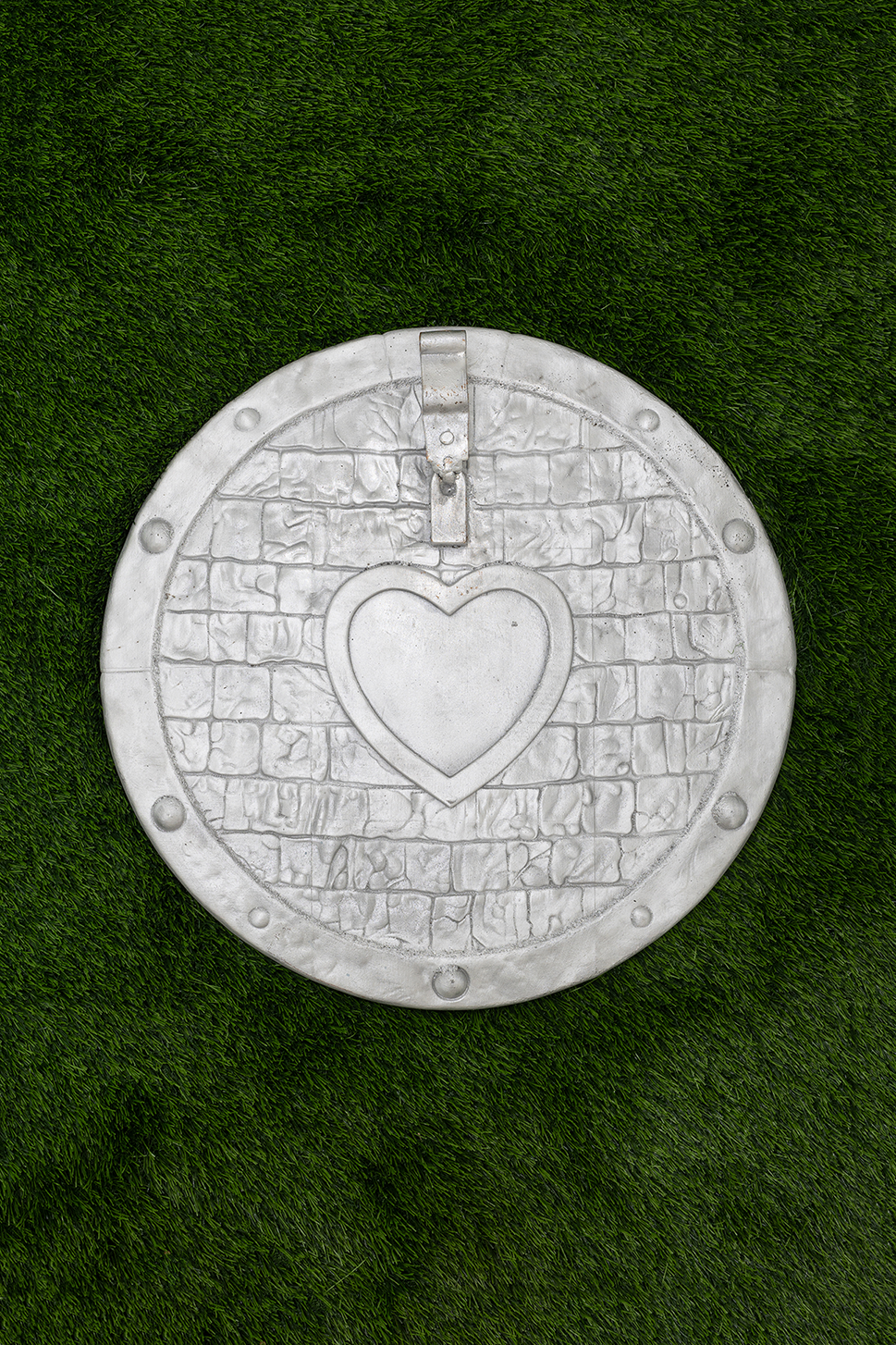 Trap door
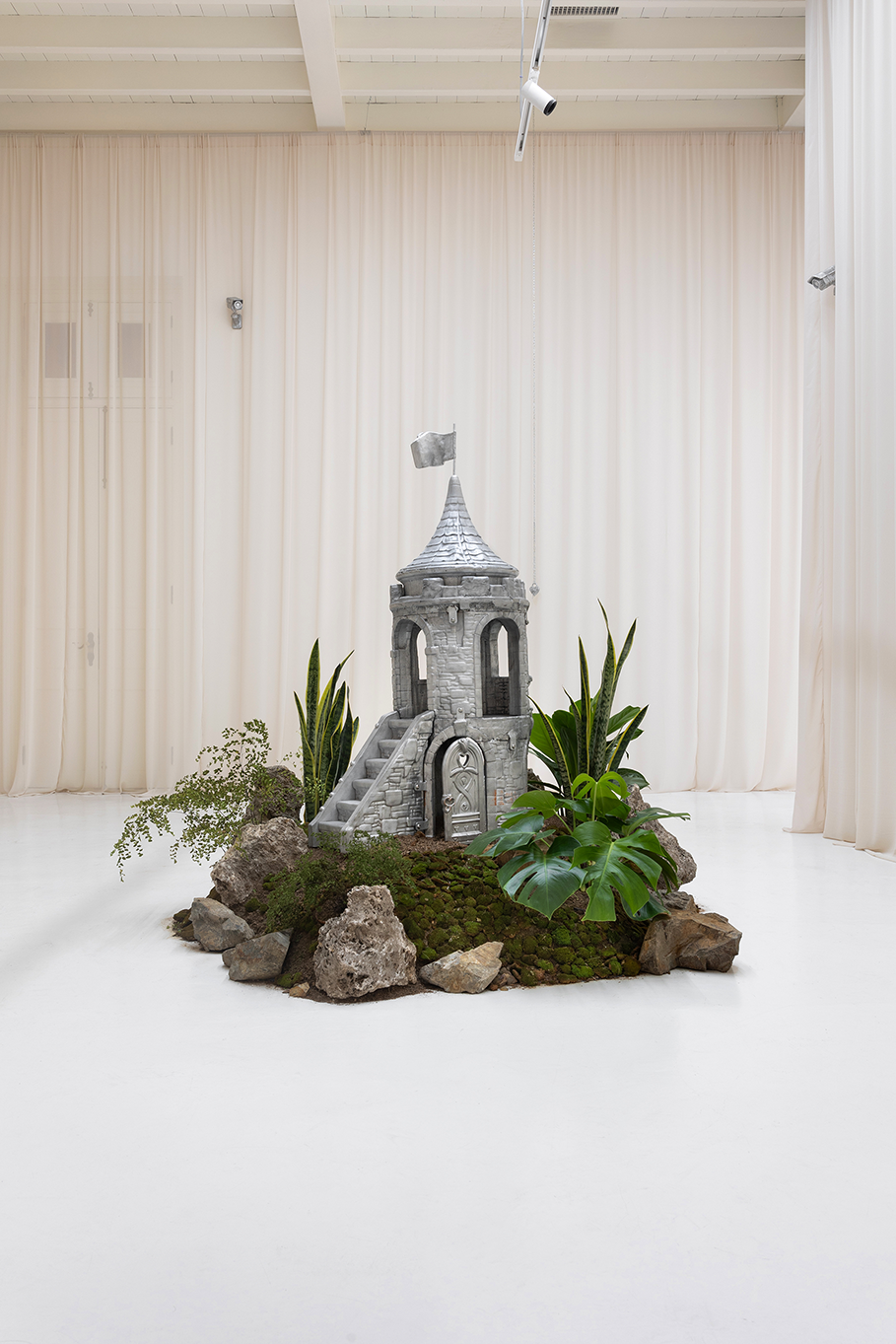 Polly Pocket I
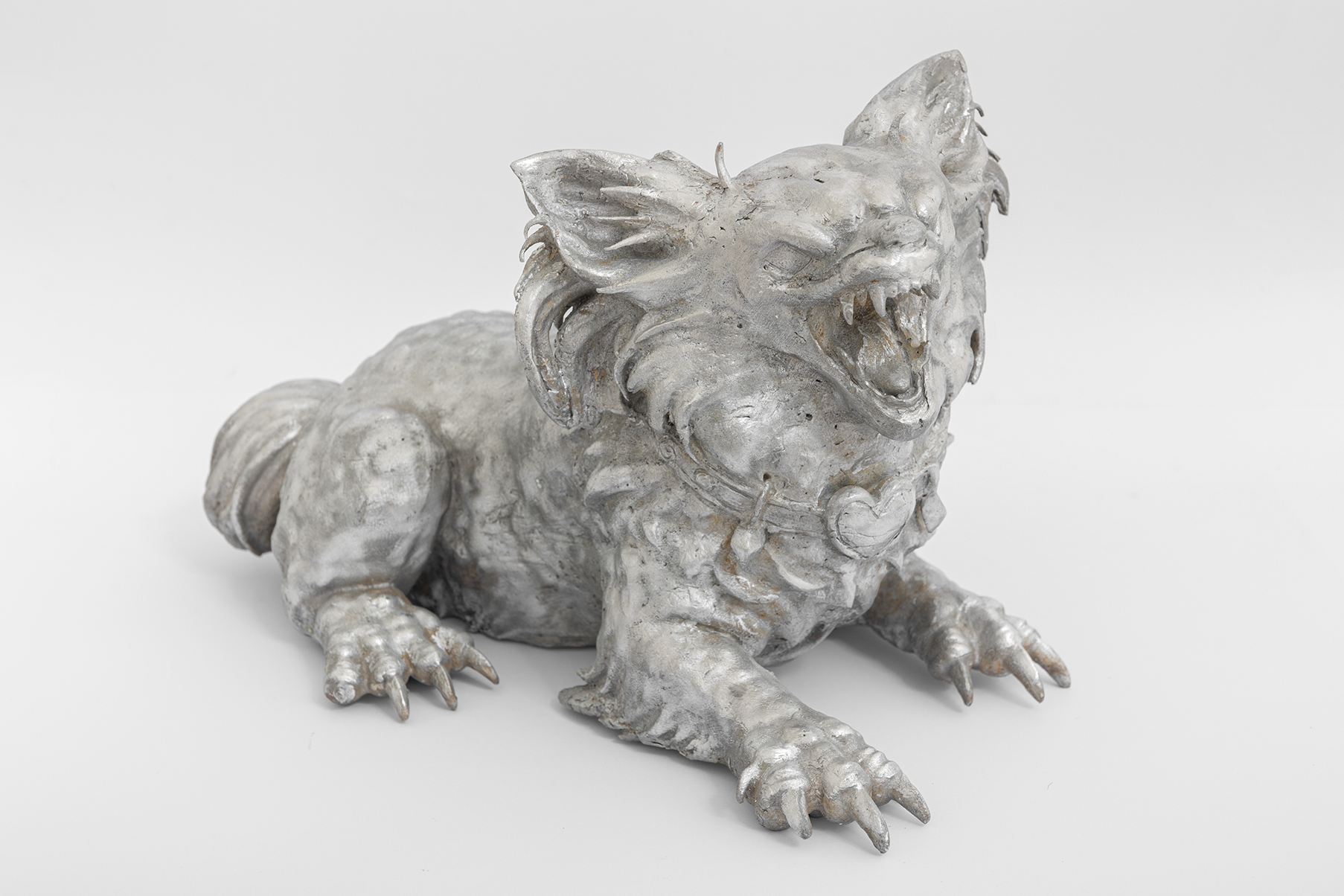 Chihuahua
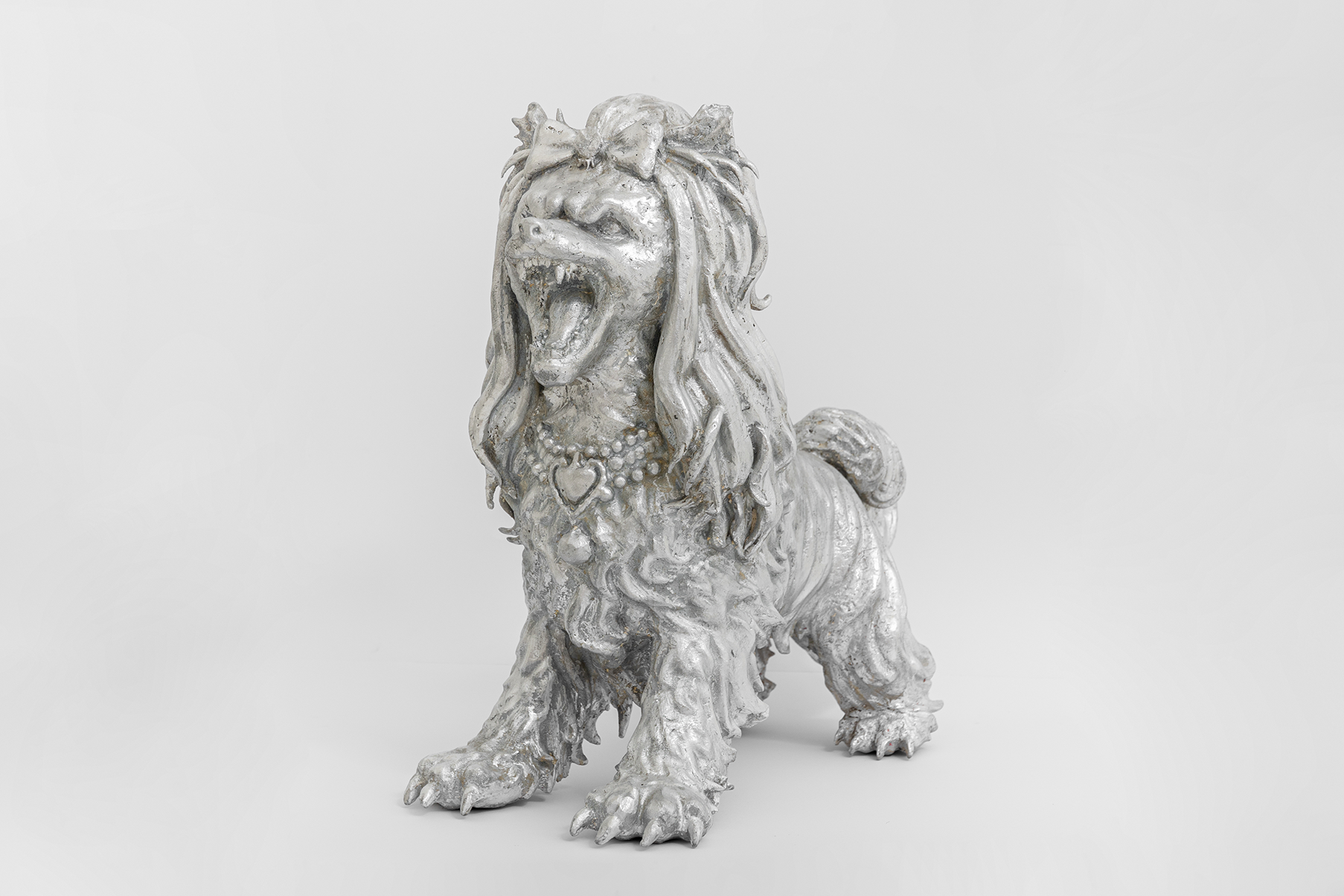 Pekines
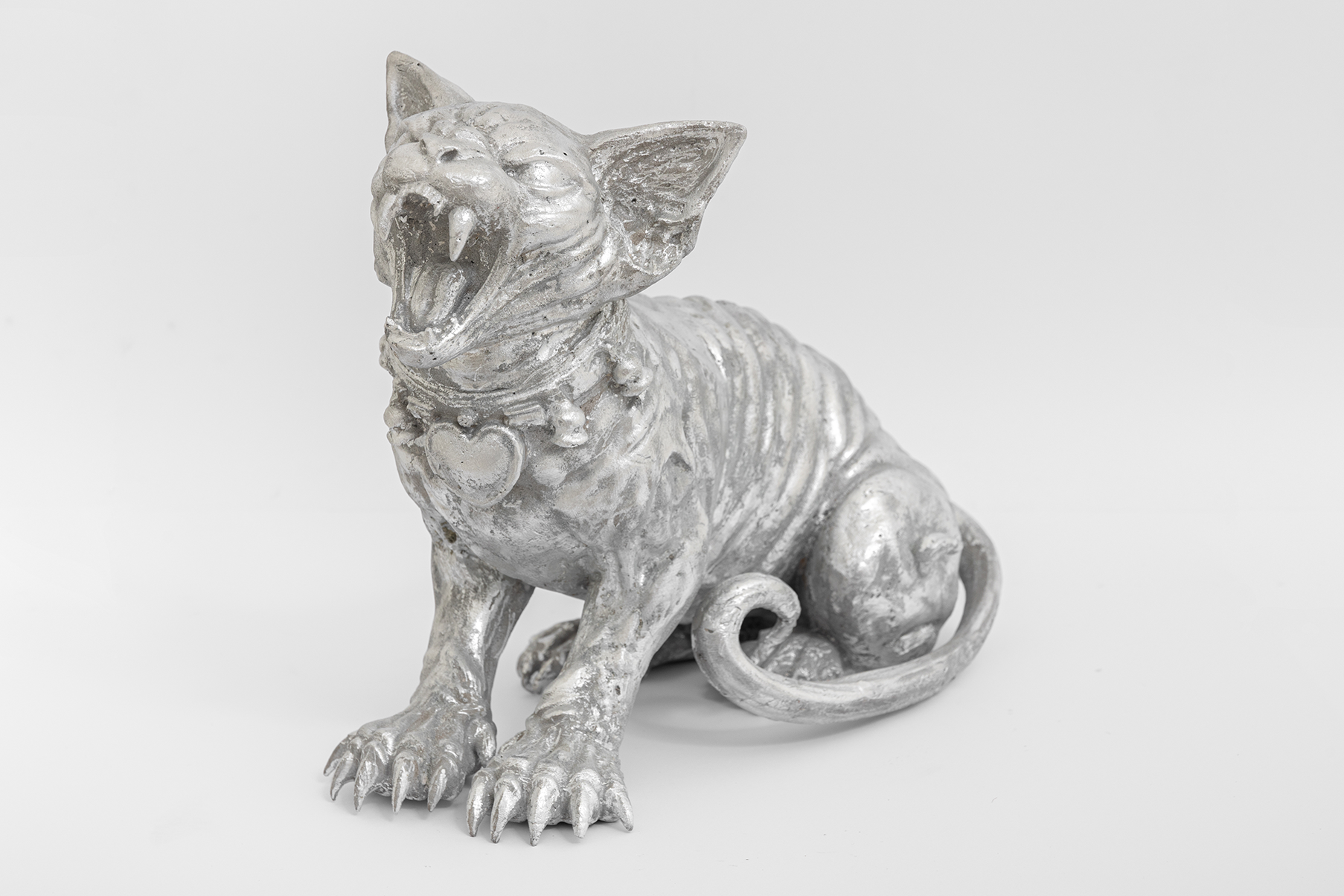 Sphinx
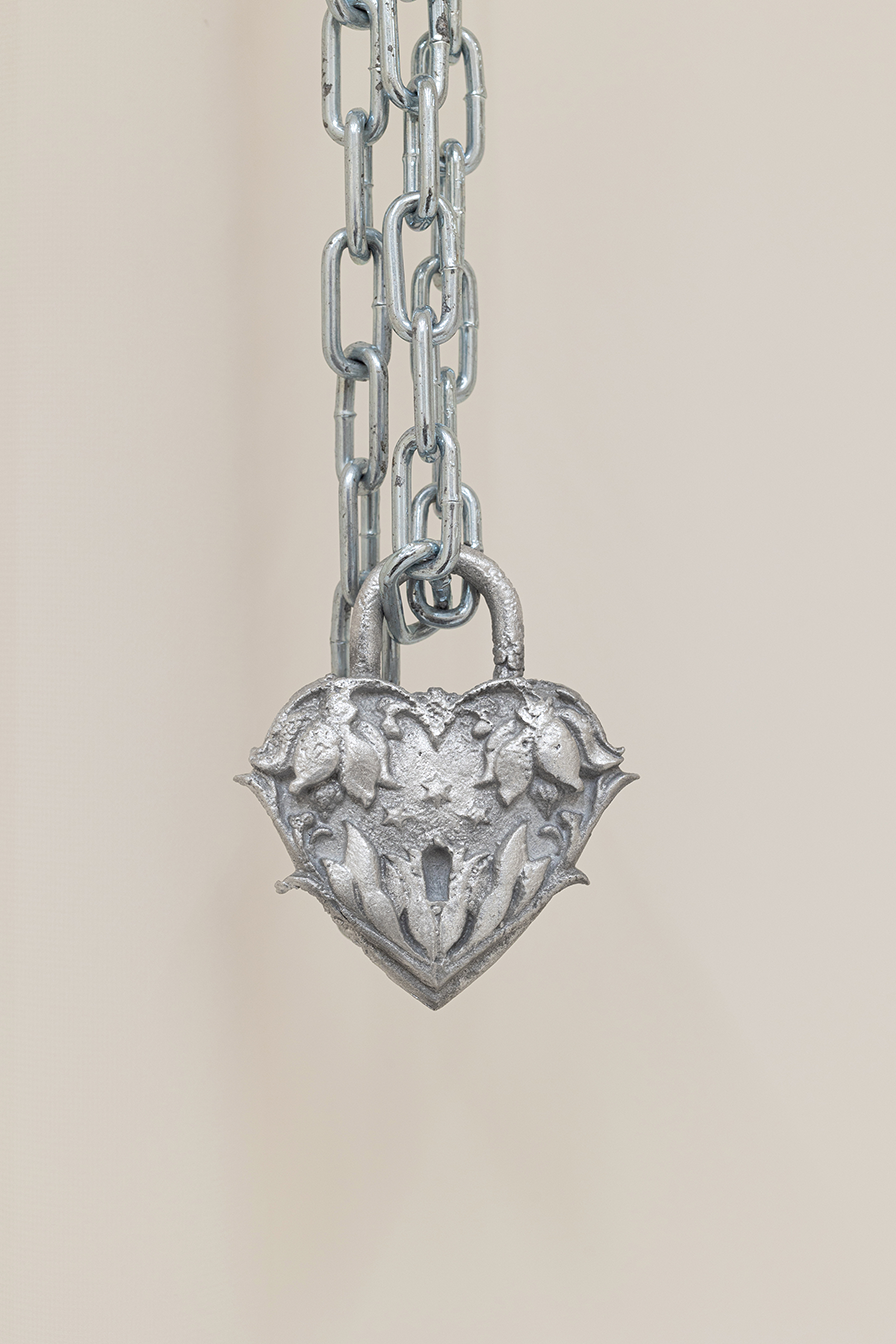 Candados
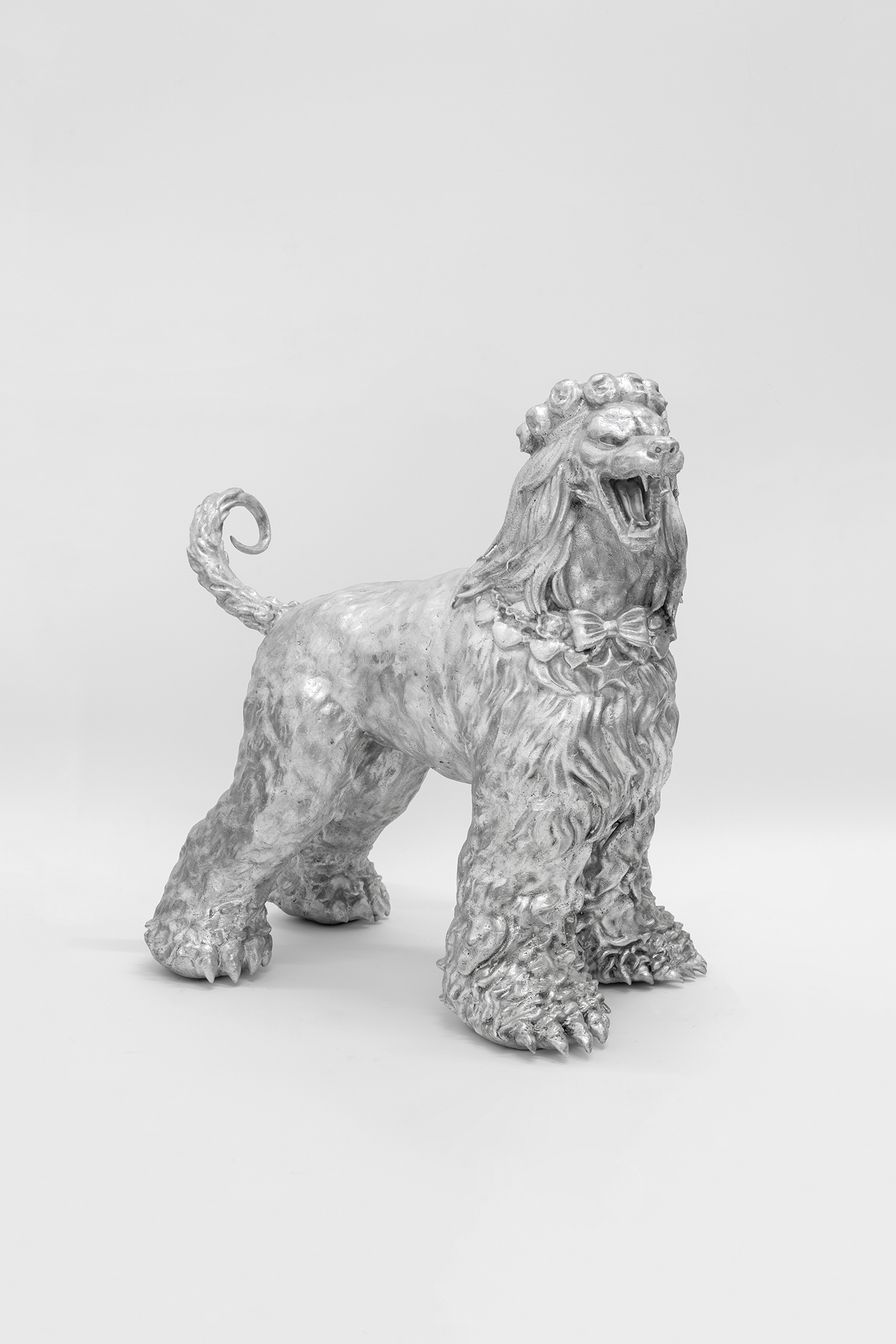 Afgano
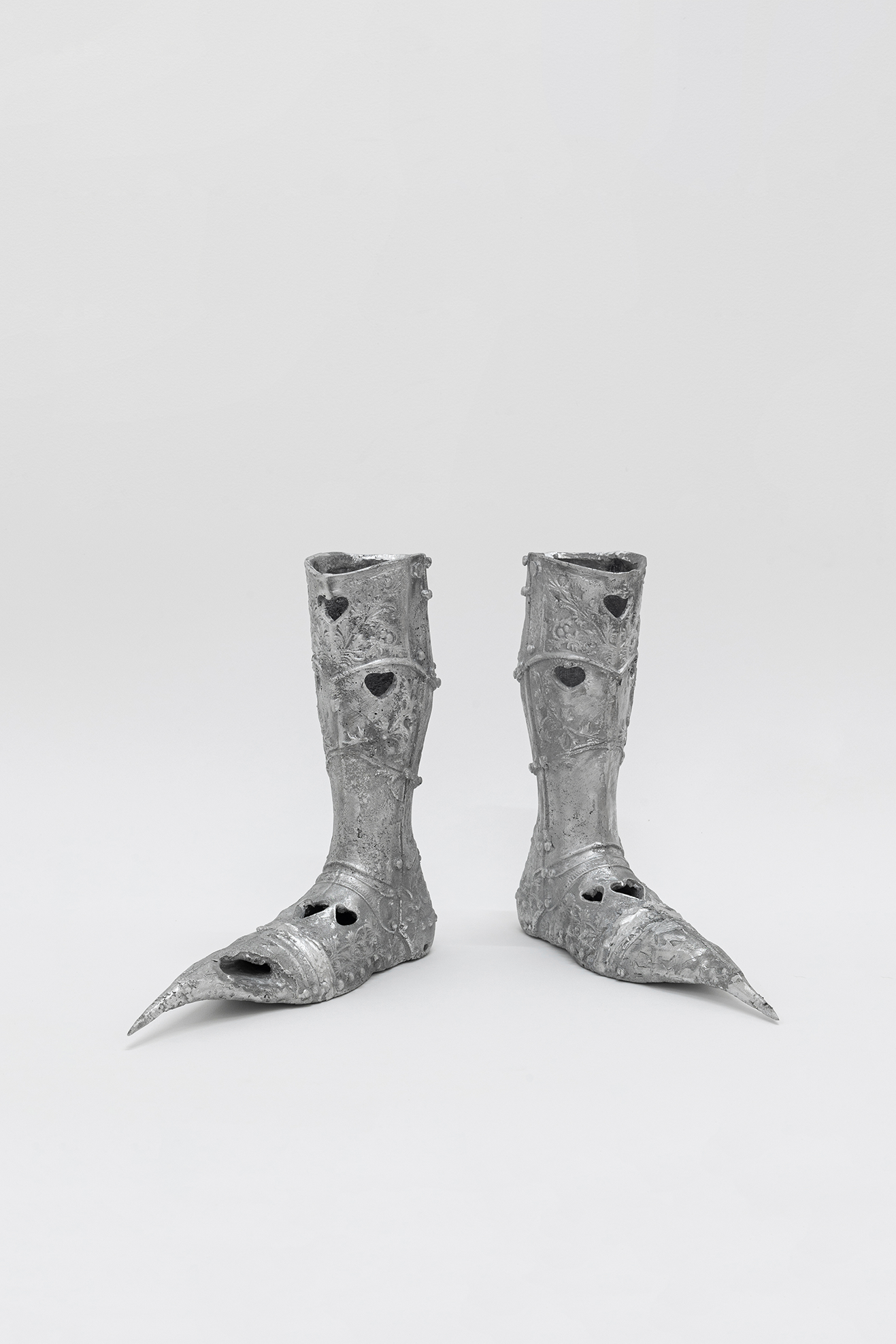 Sabatons
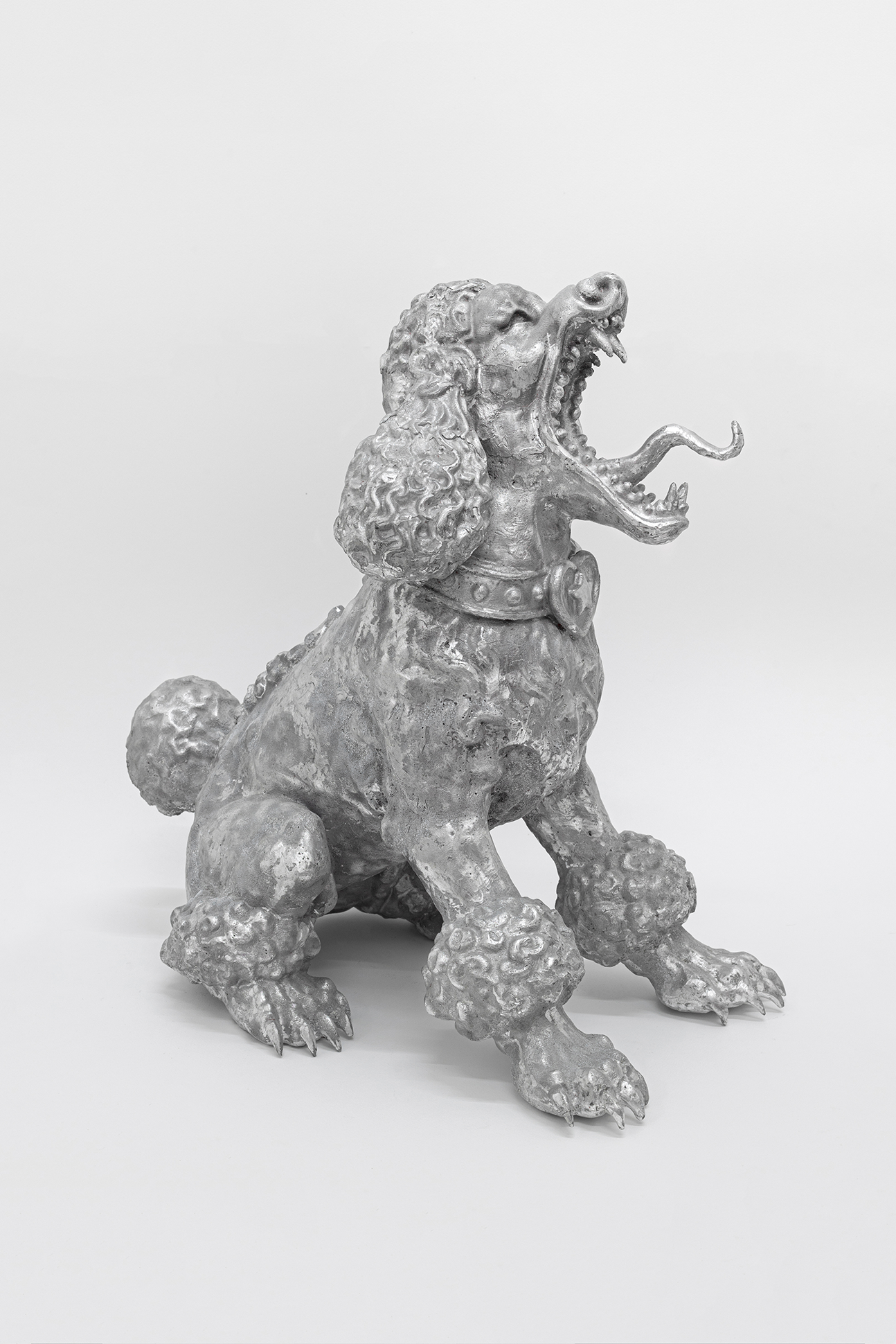 Poodle
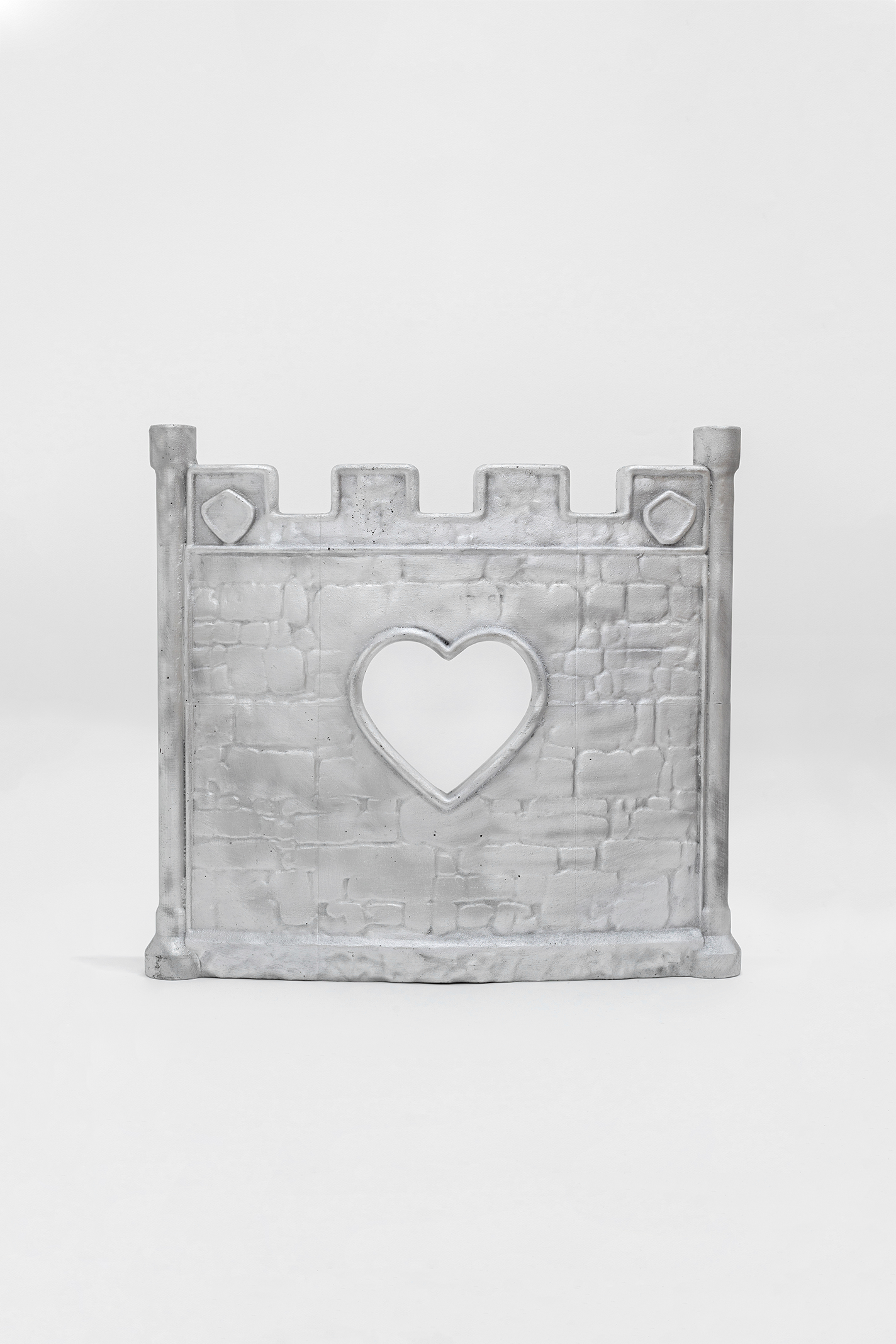 Polly Pocket II
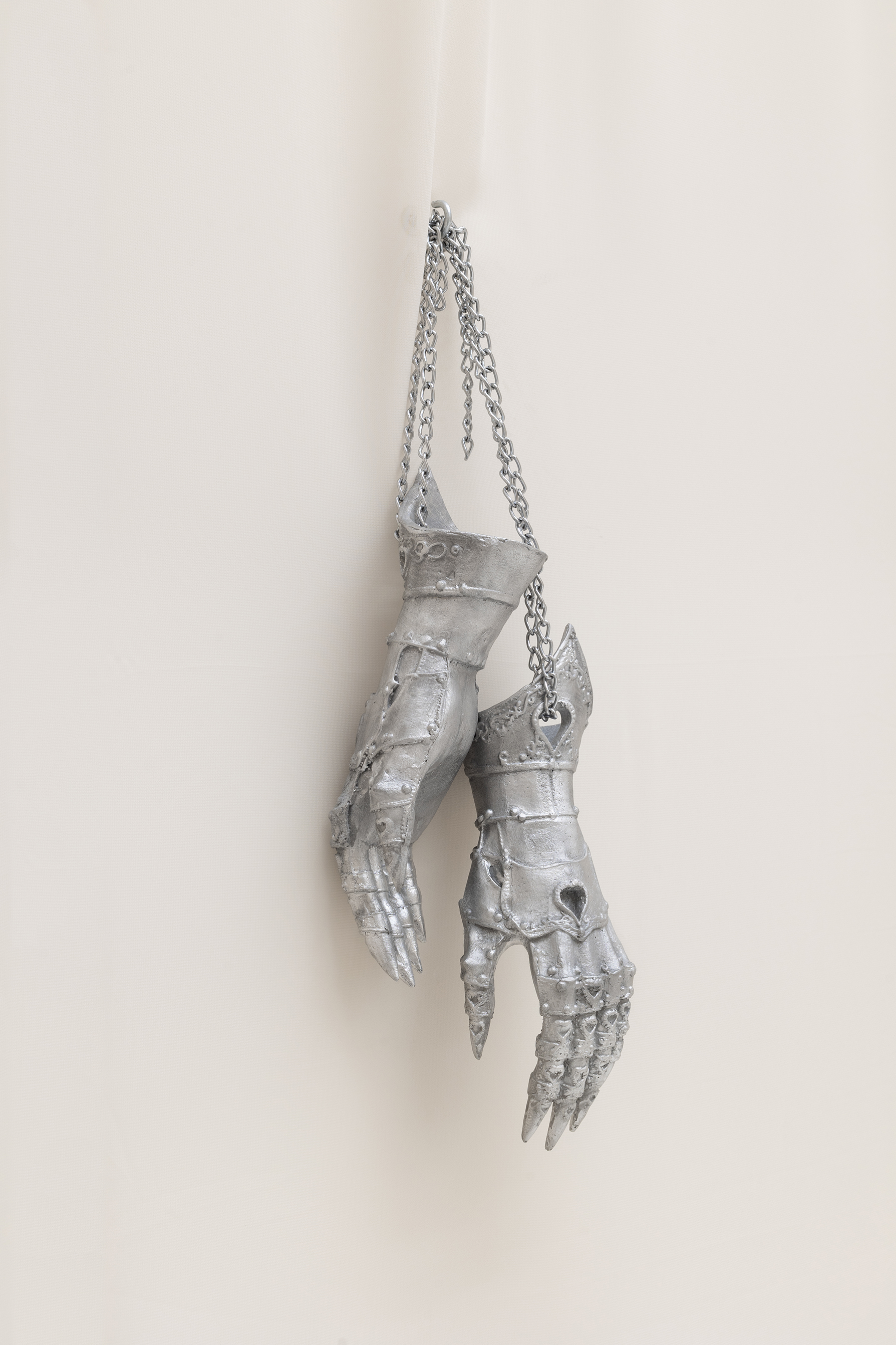 Gauntlets
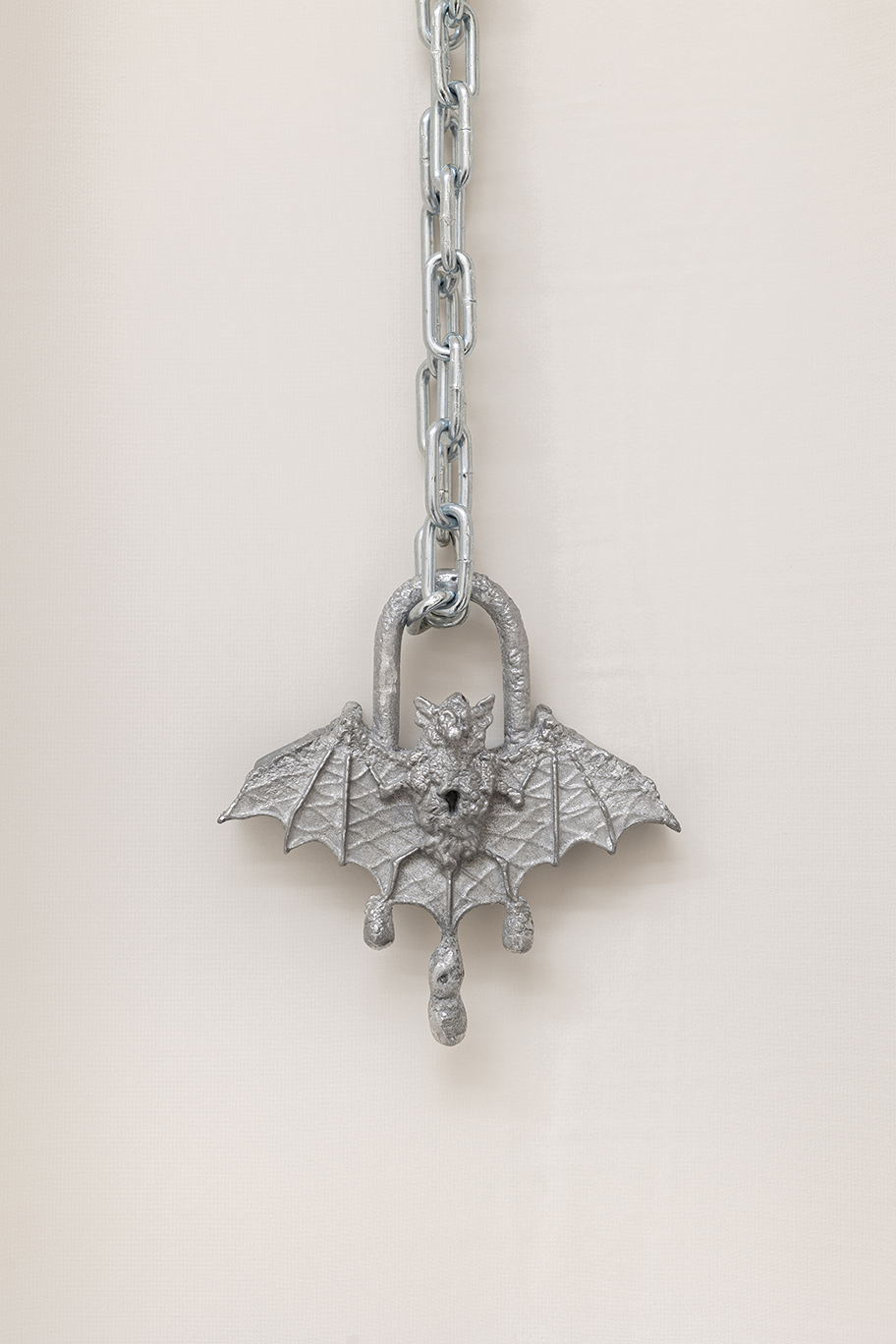 Candados
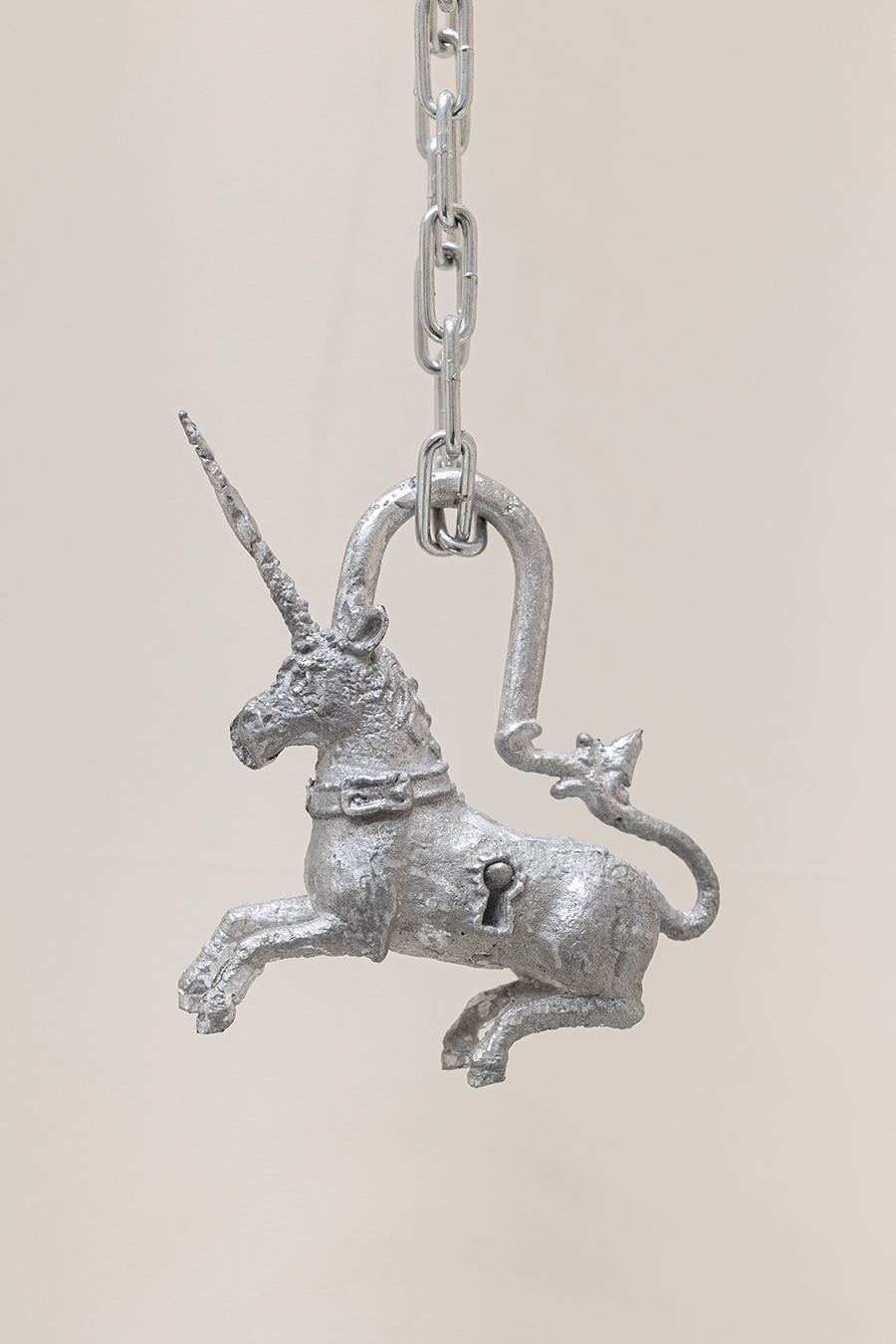 Candados
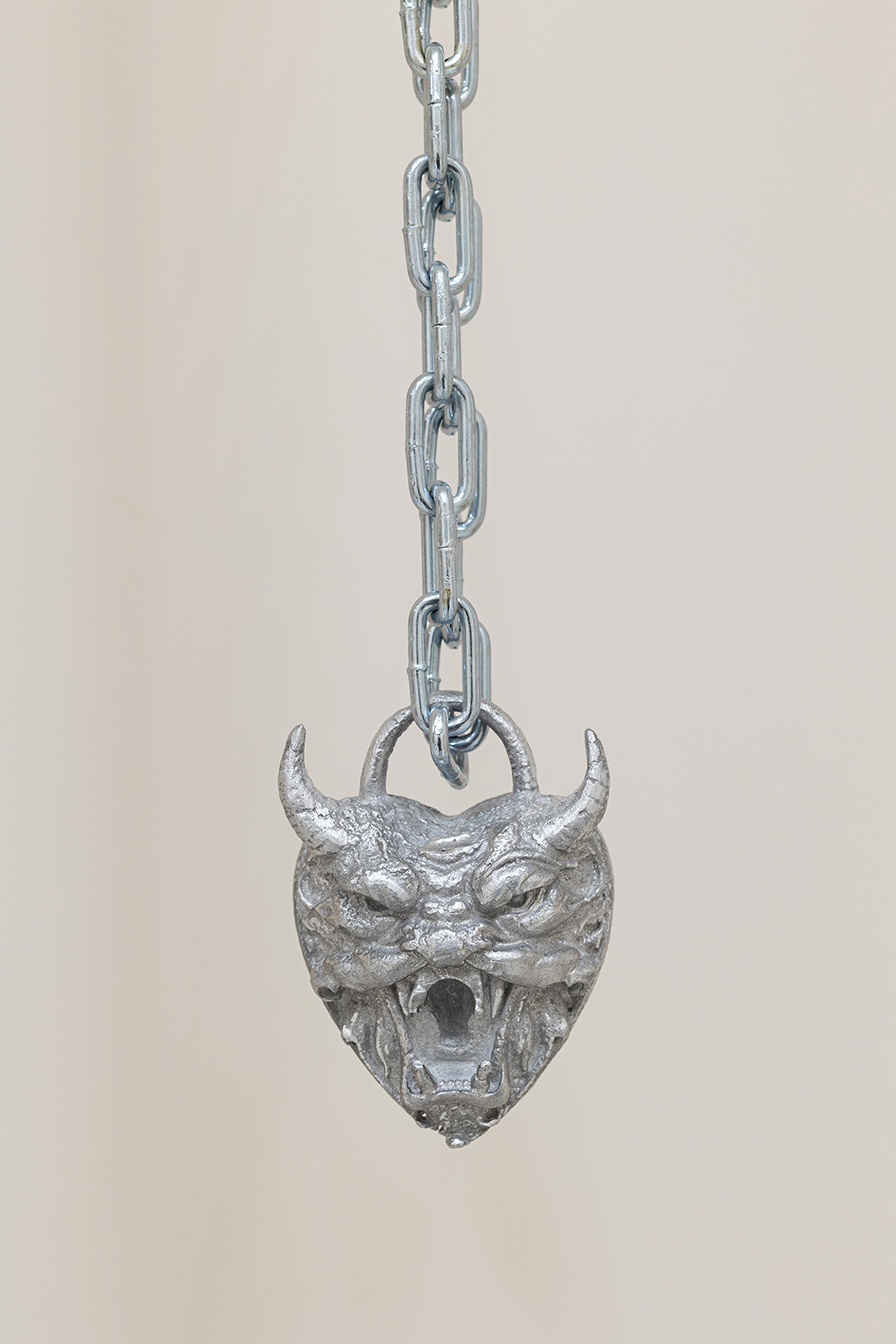 Candados
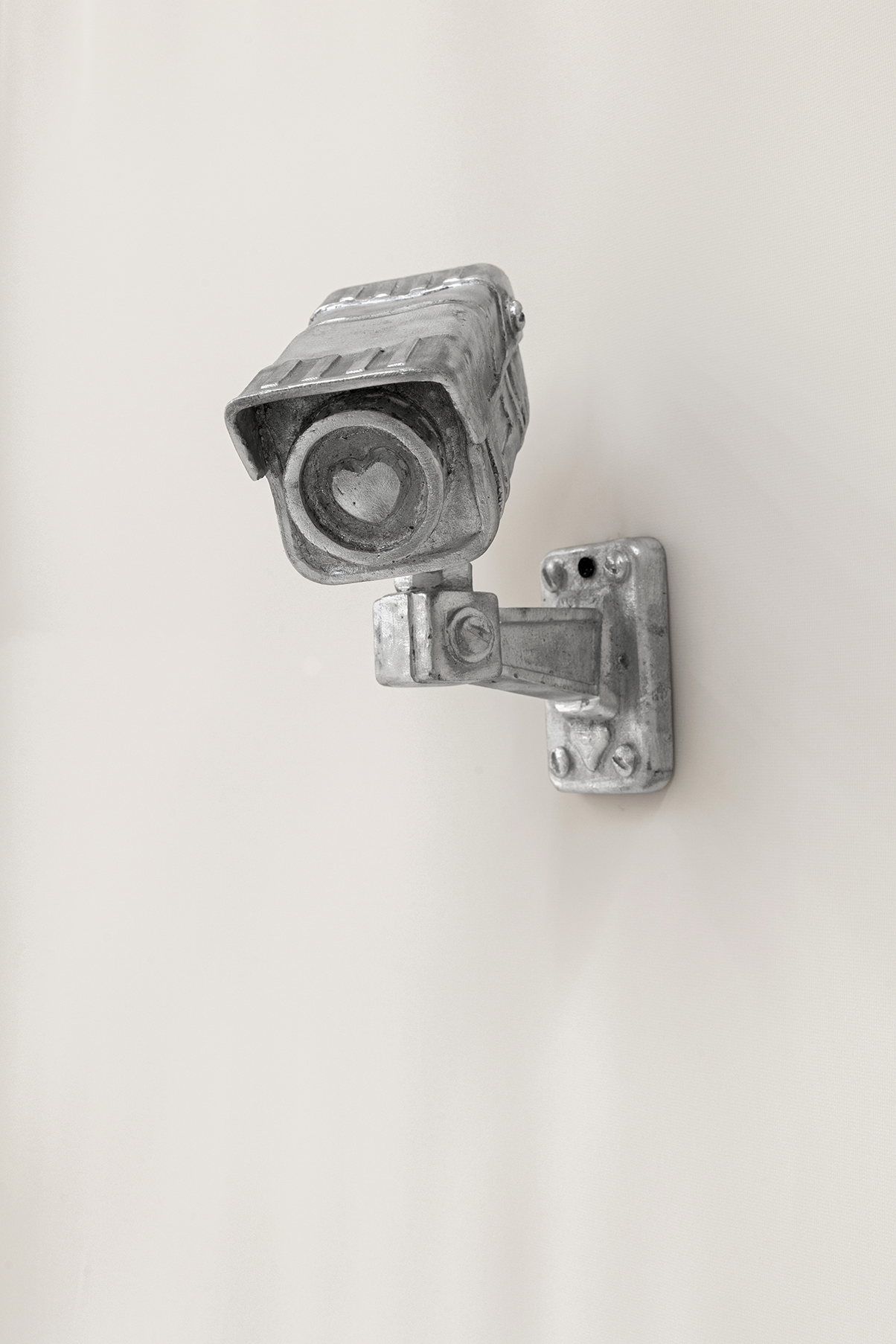 Security Camera
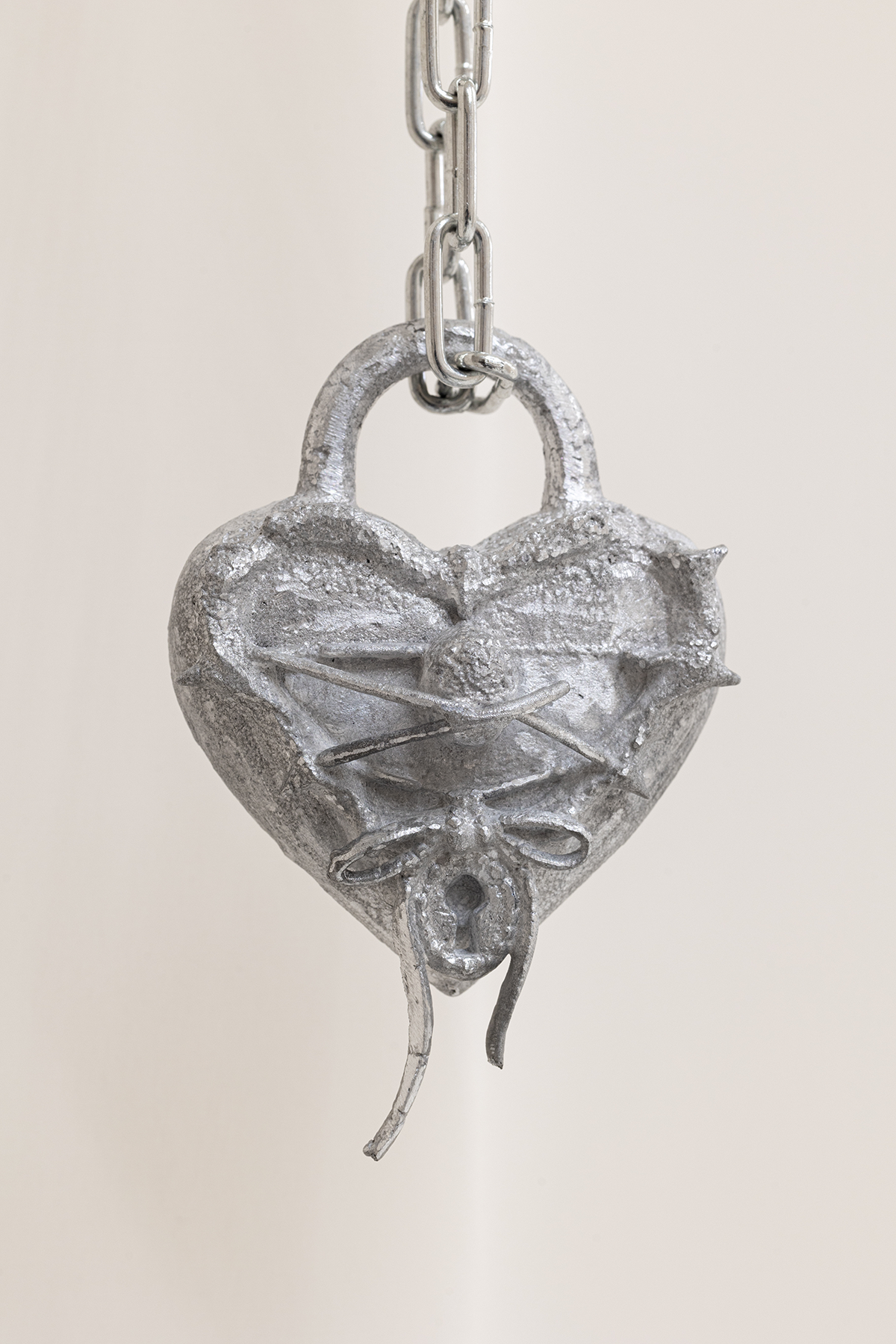 Candados
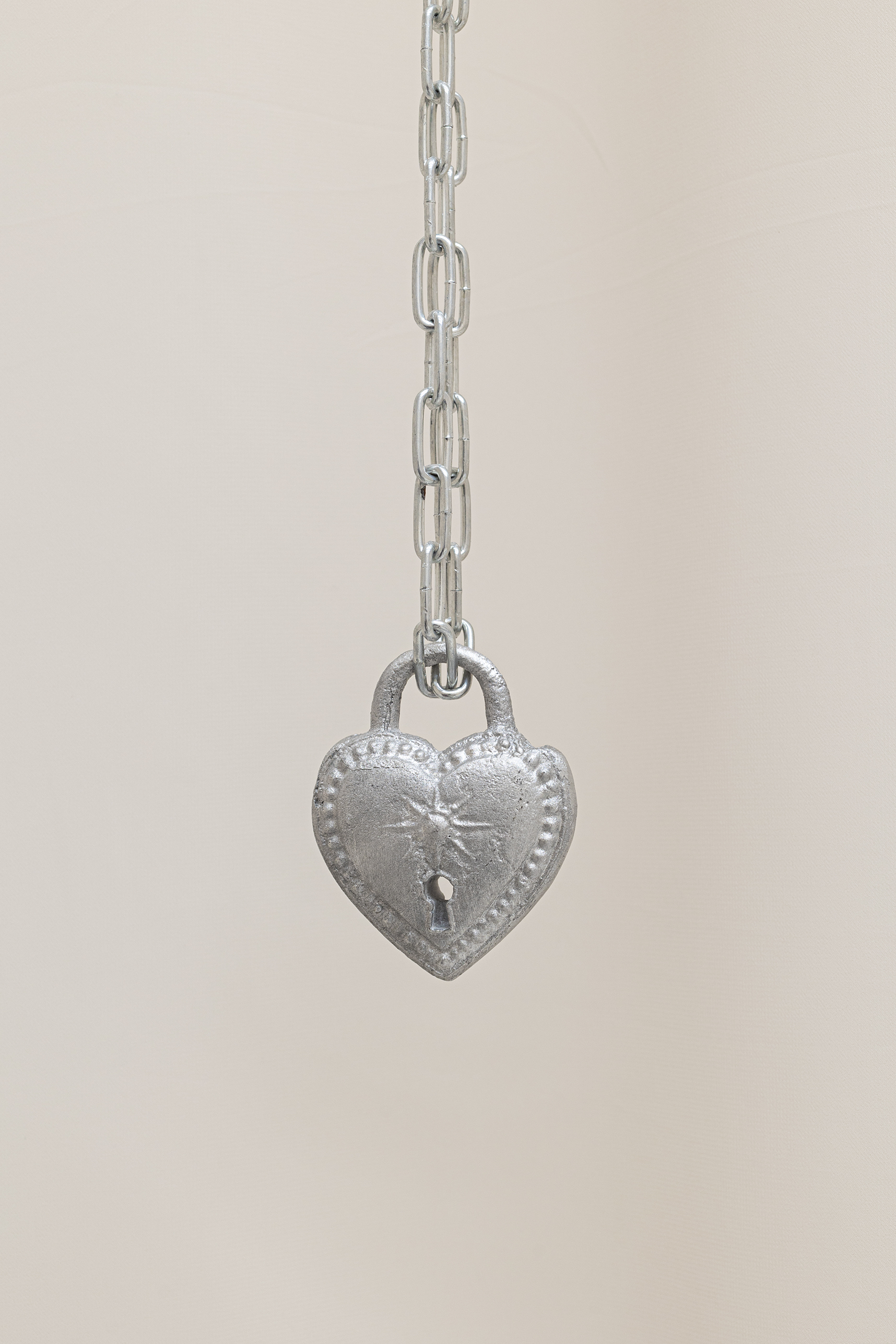 Candados
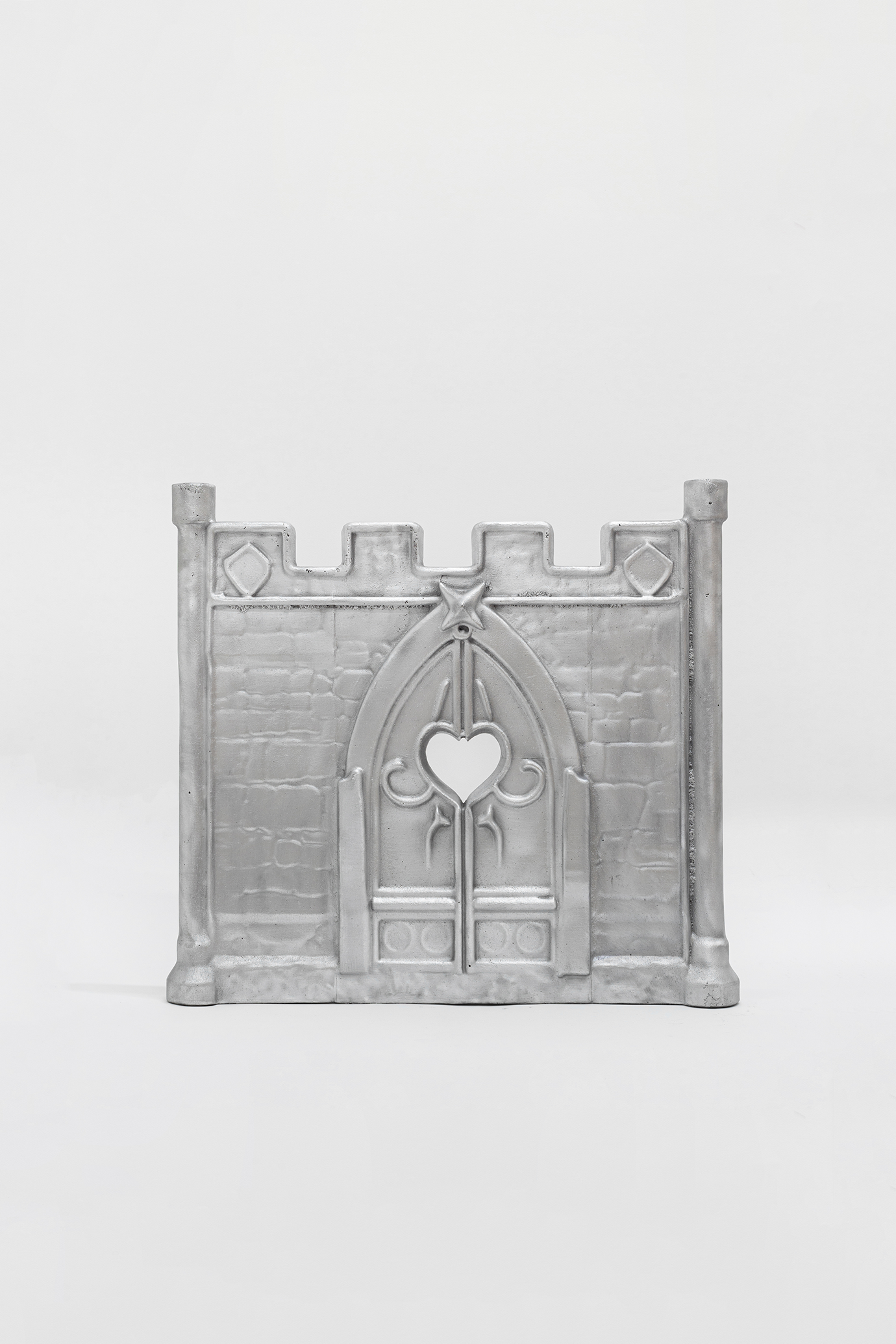 Polly Pocket III