Julia Taszycka
all the work i didn’t make
Press Release
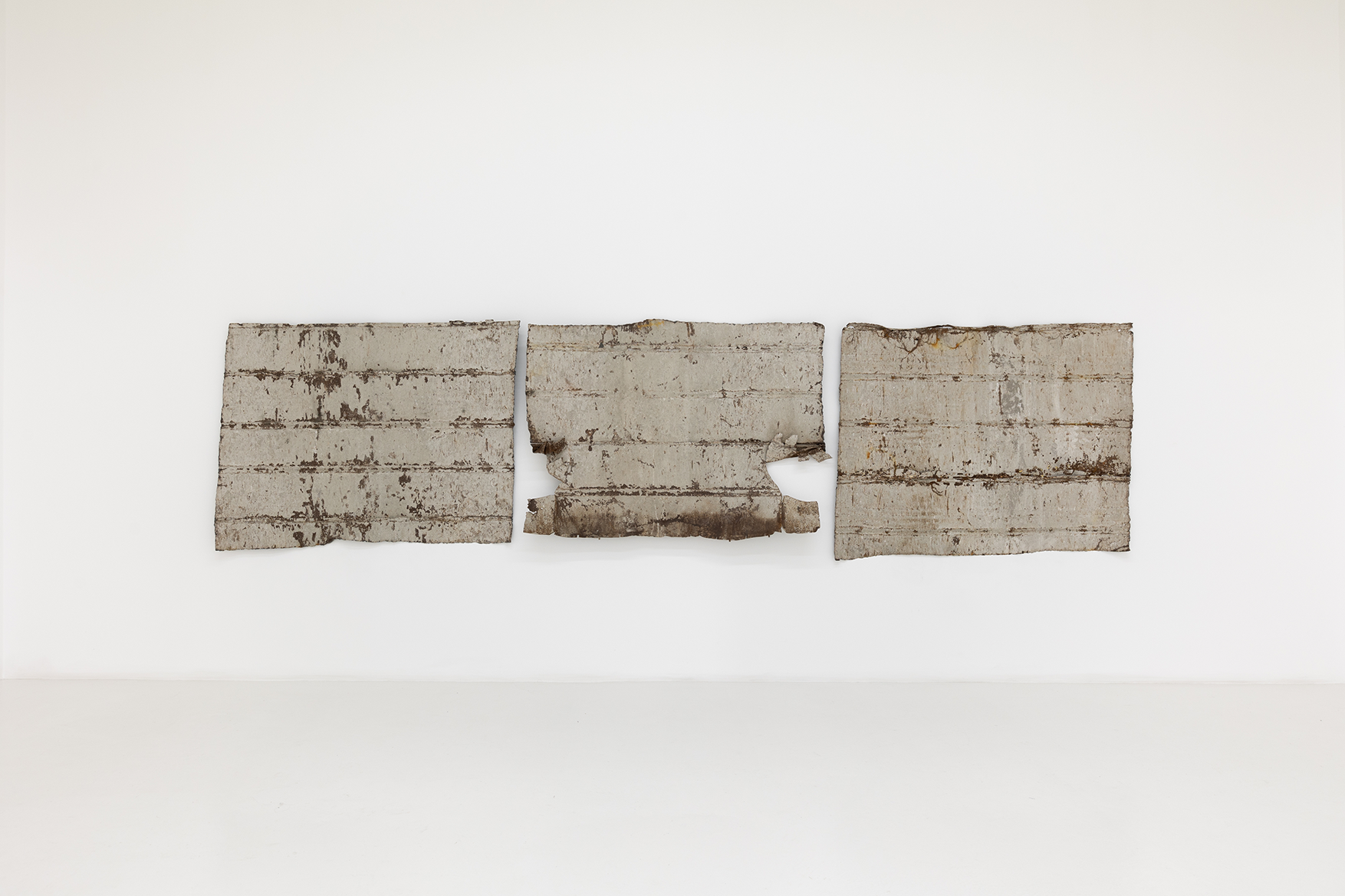
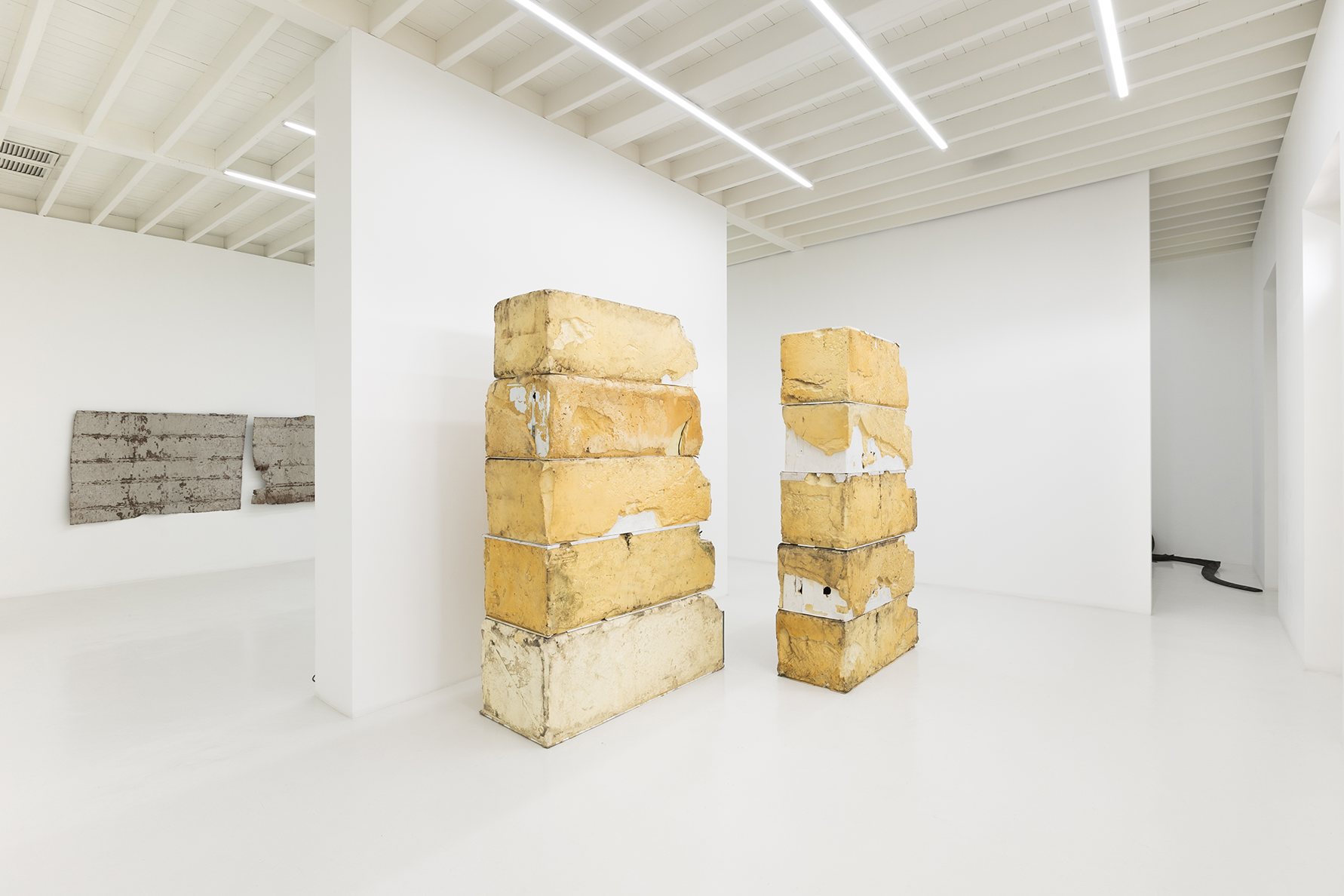
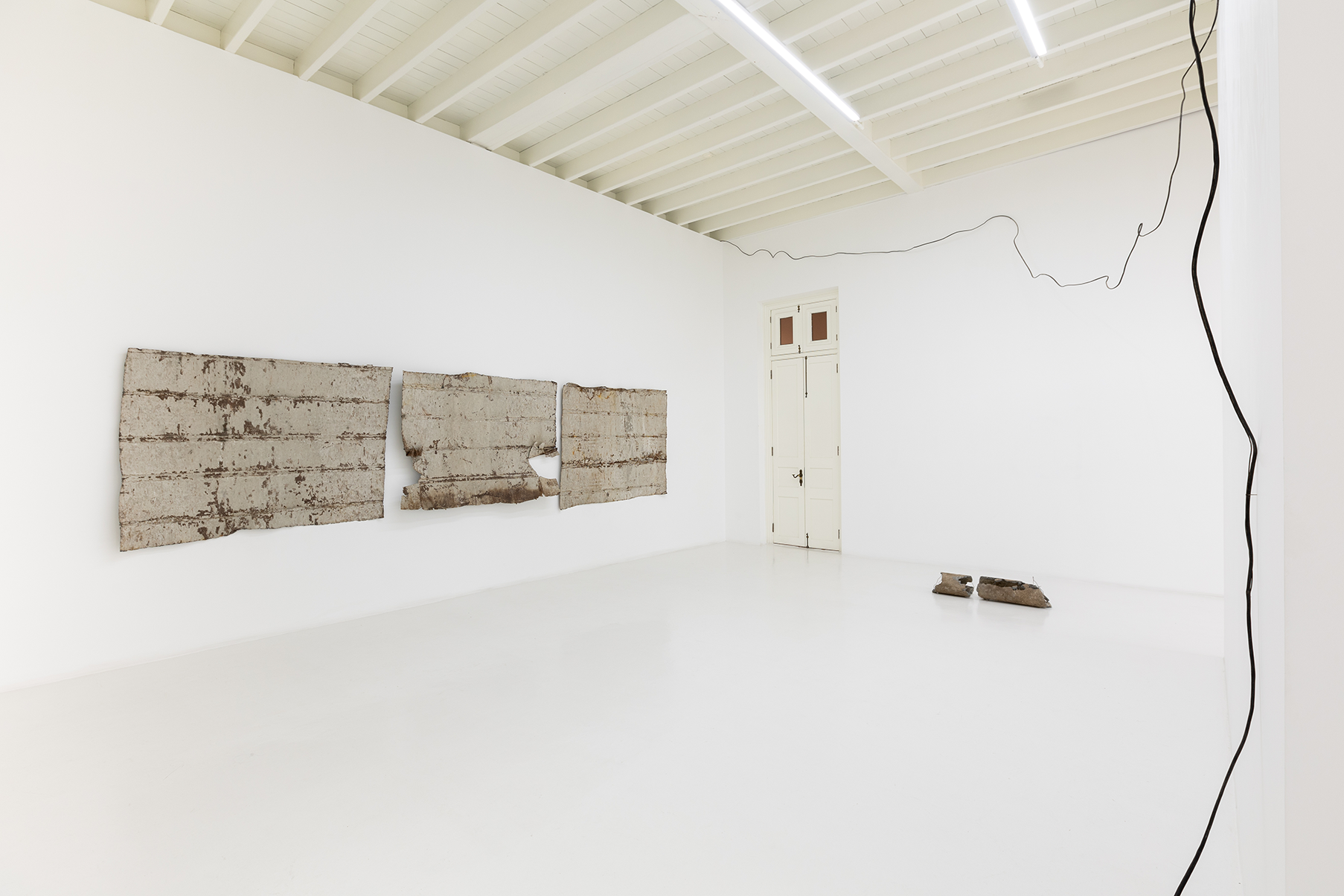
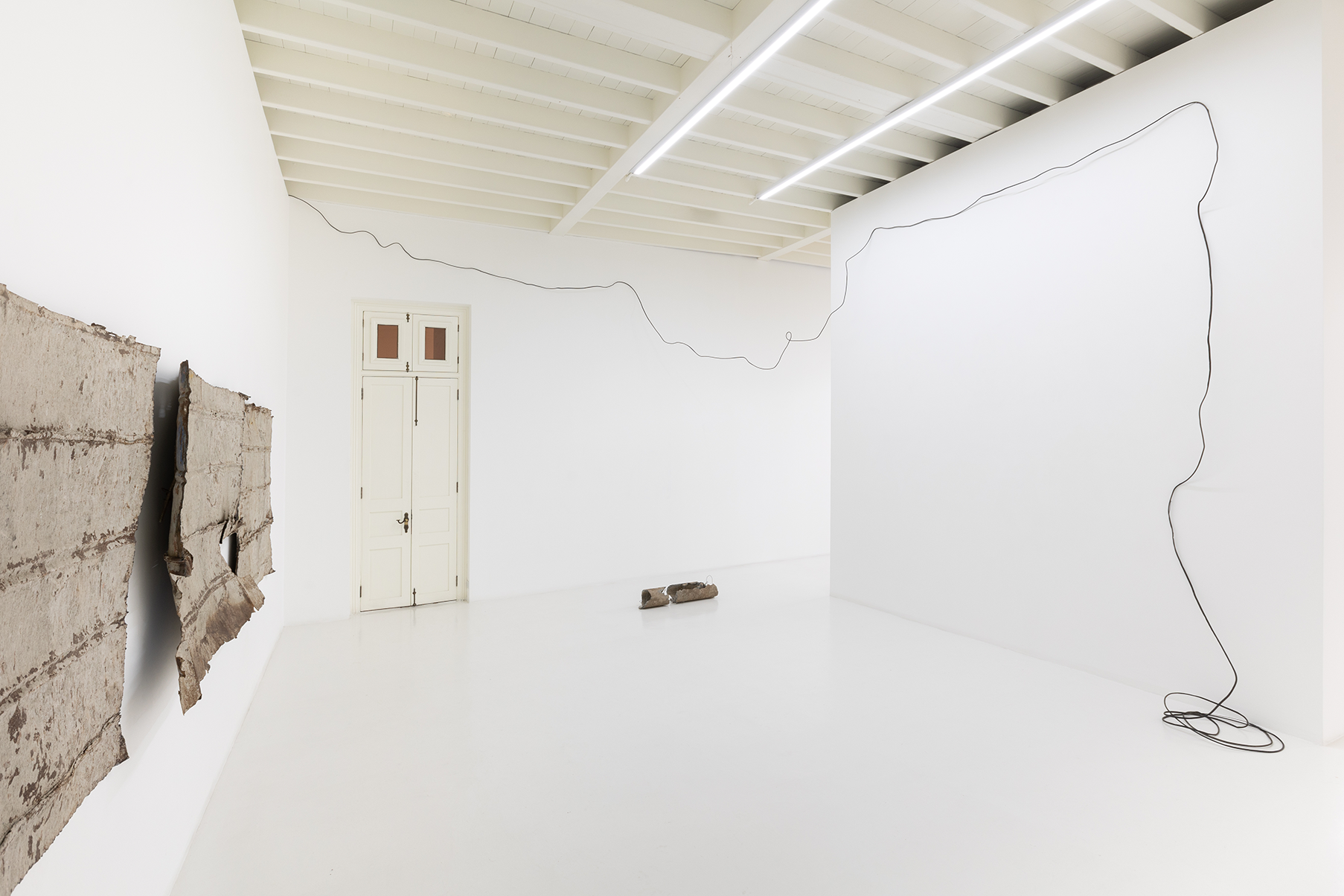
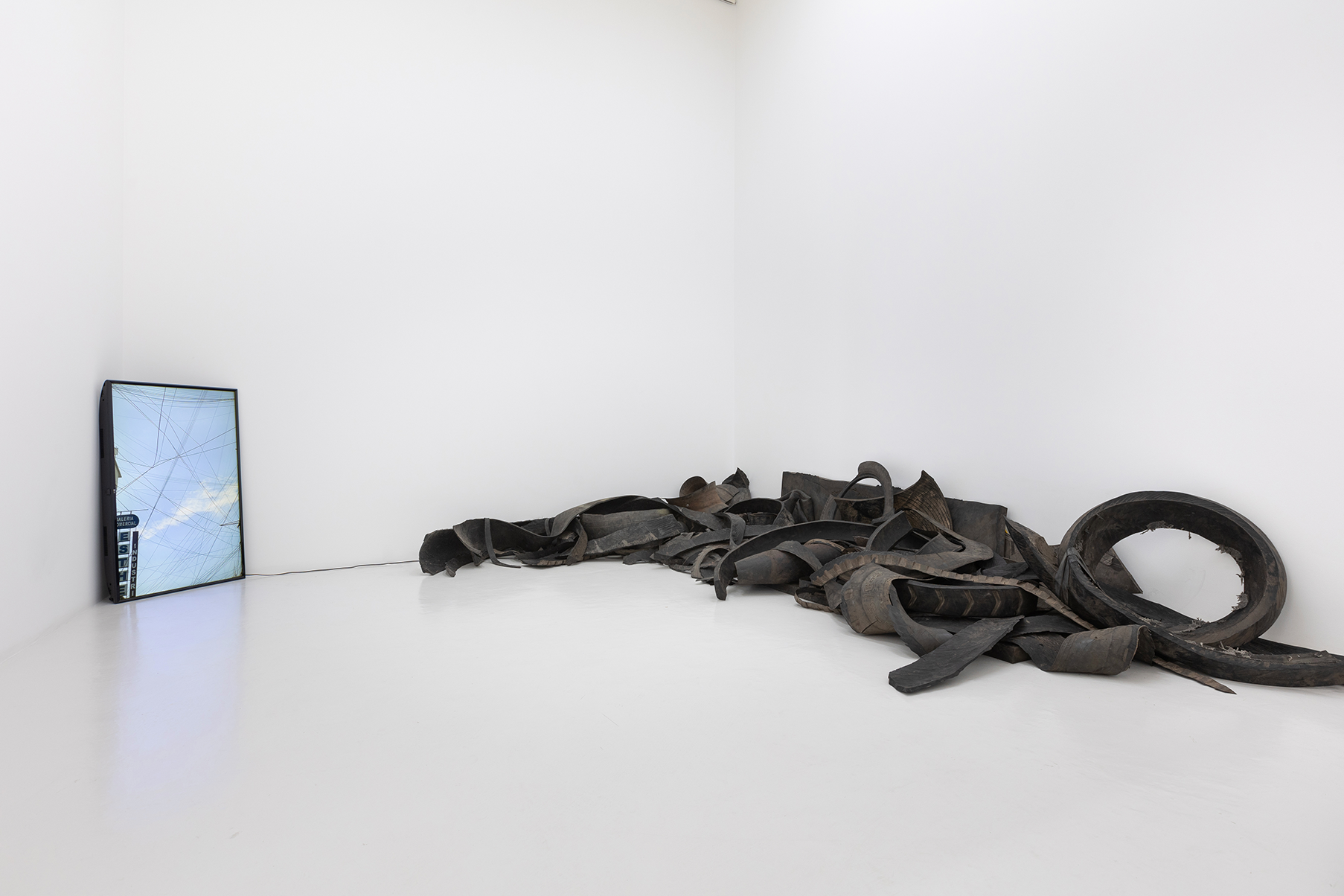
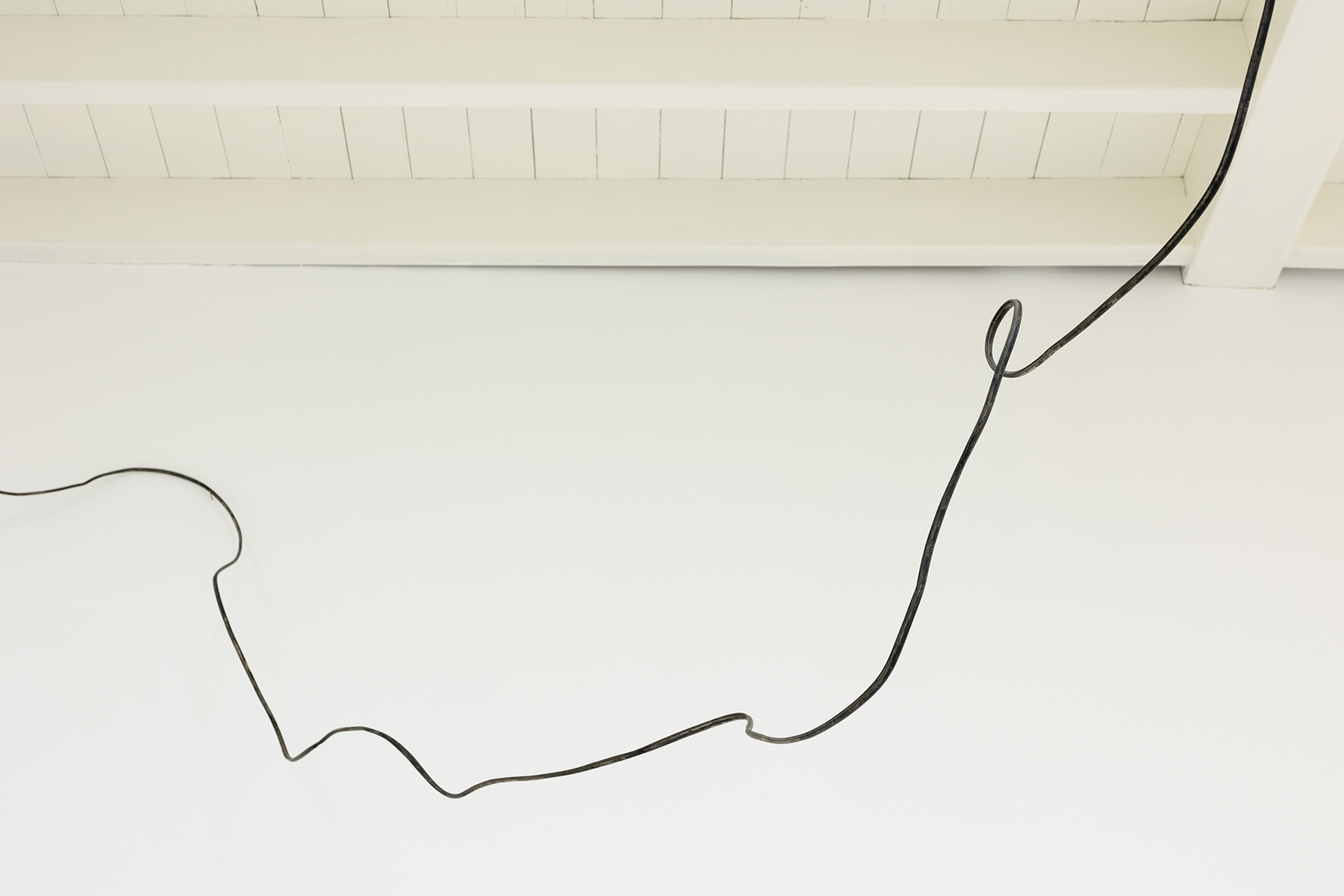
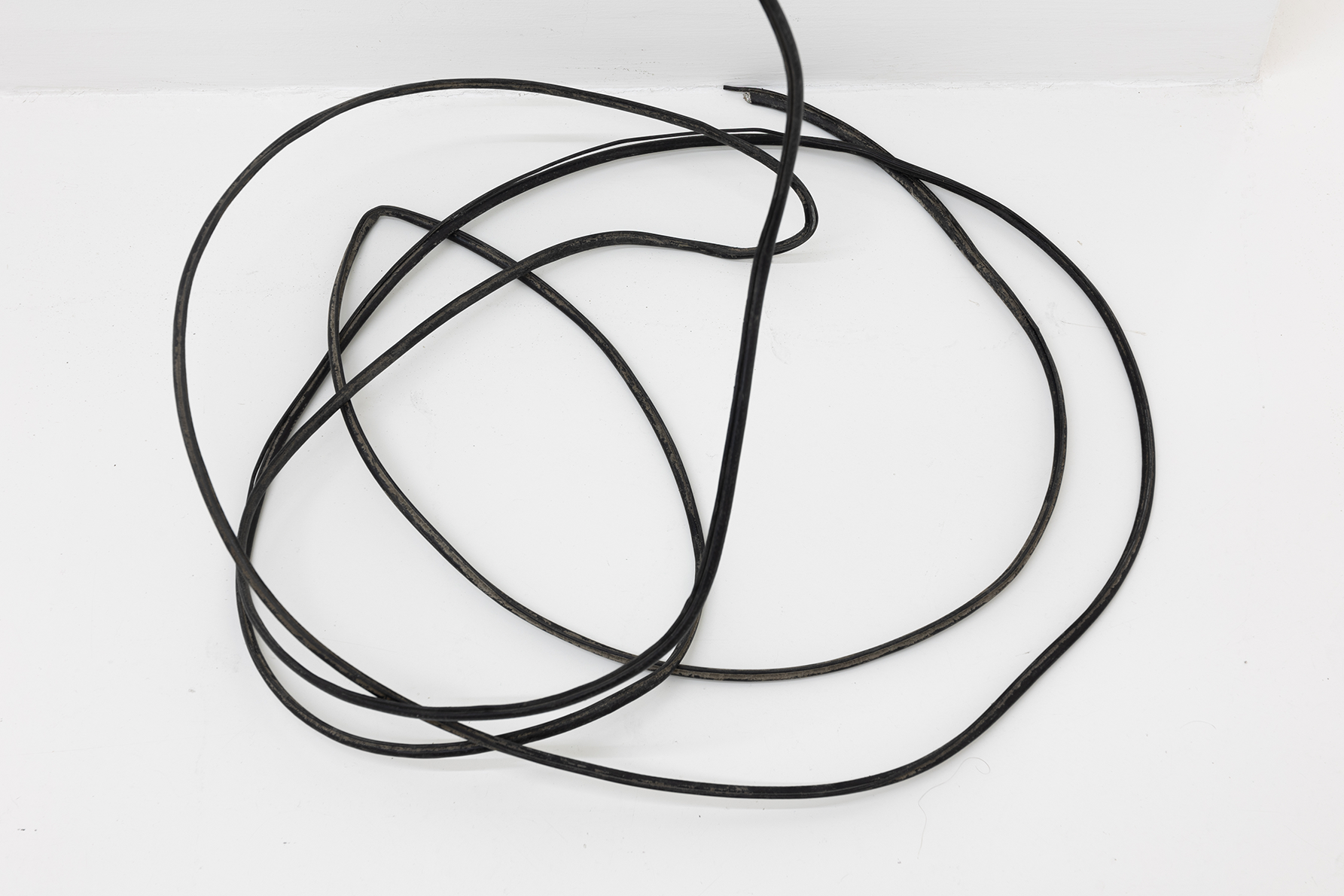
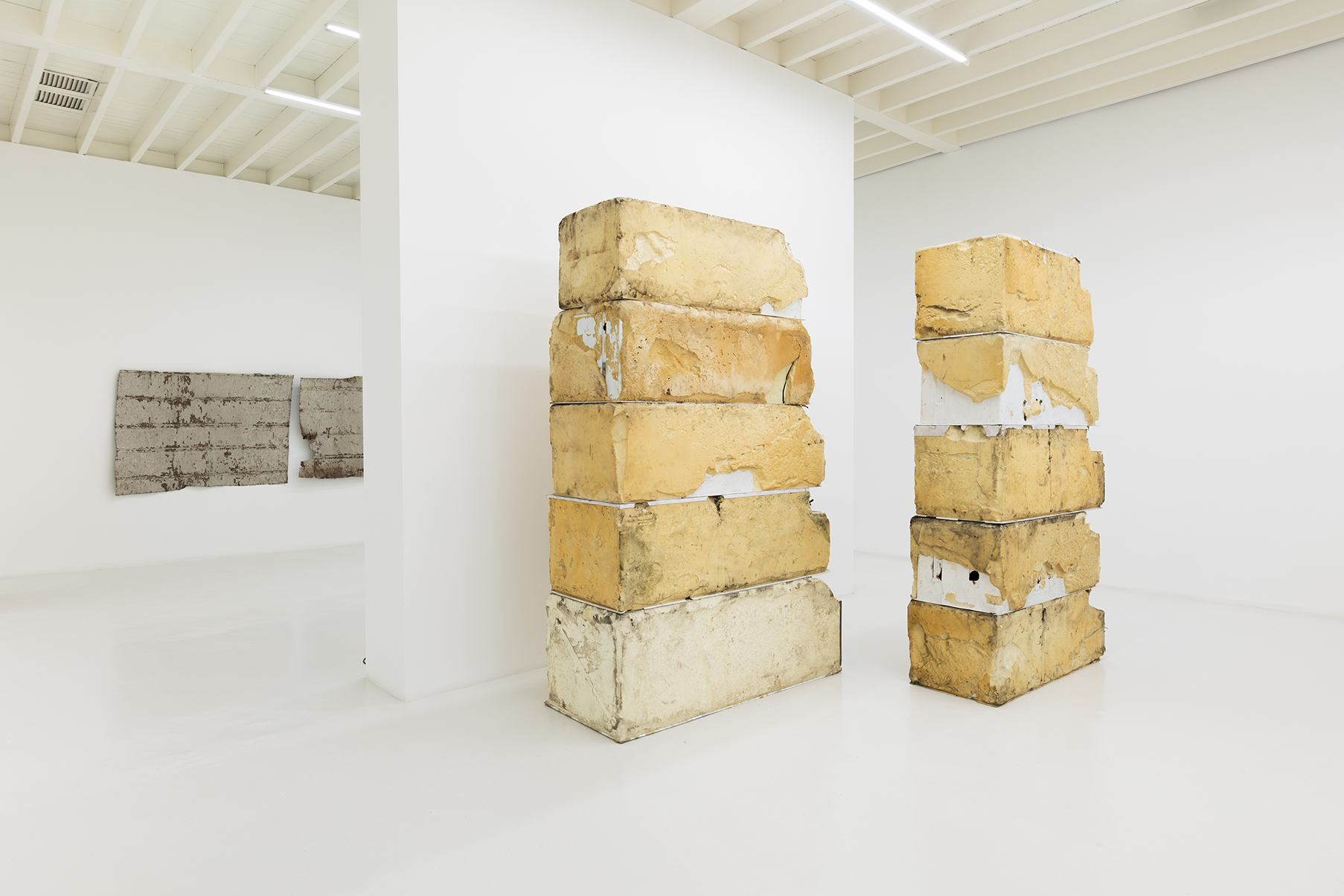
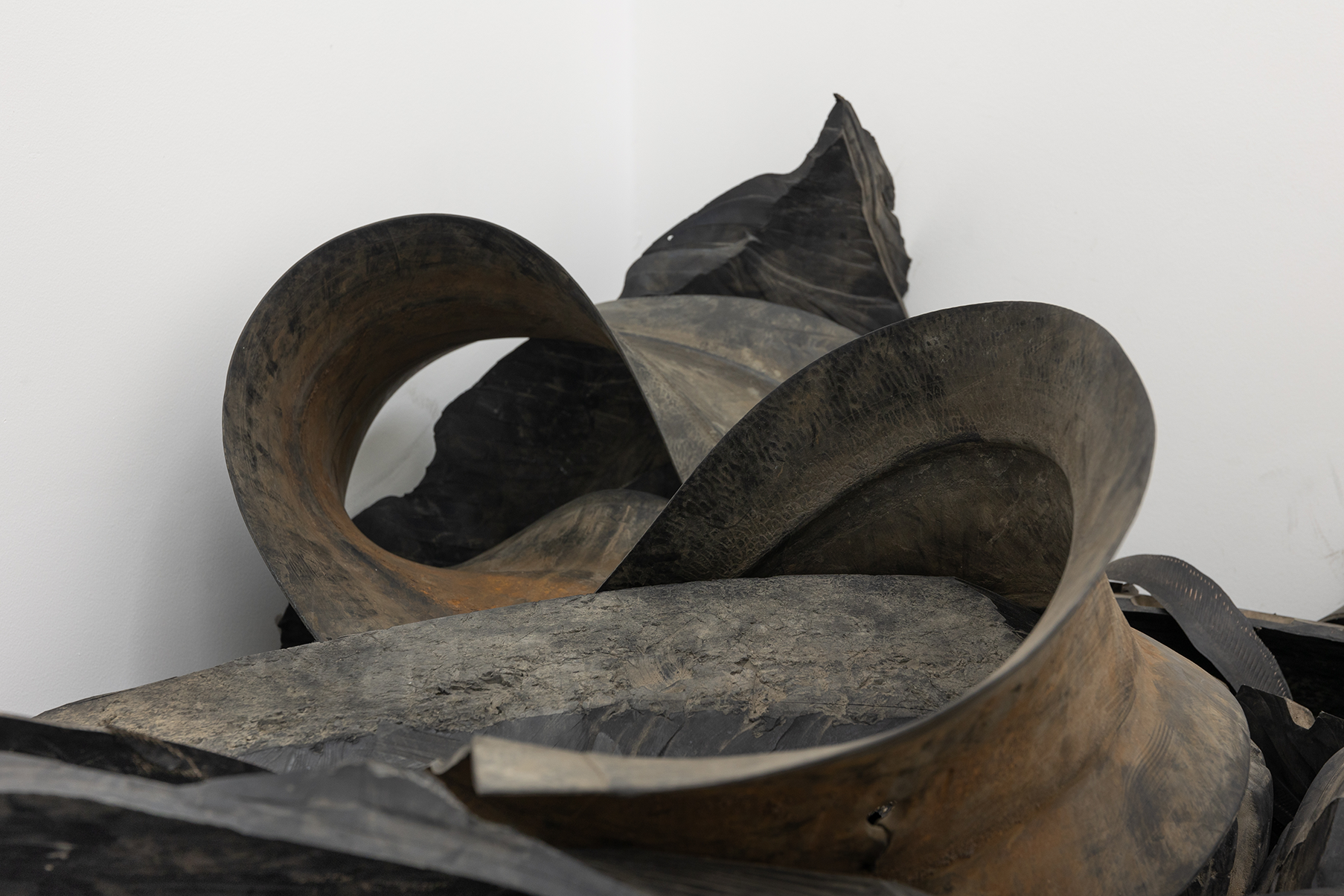
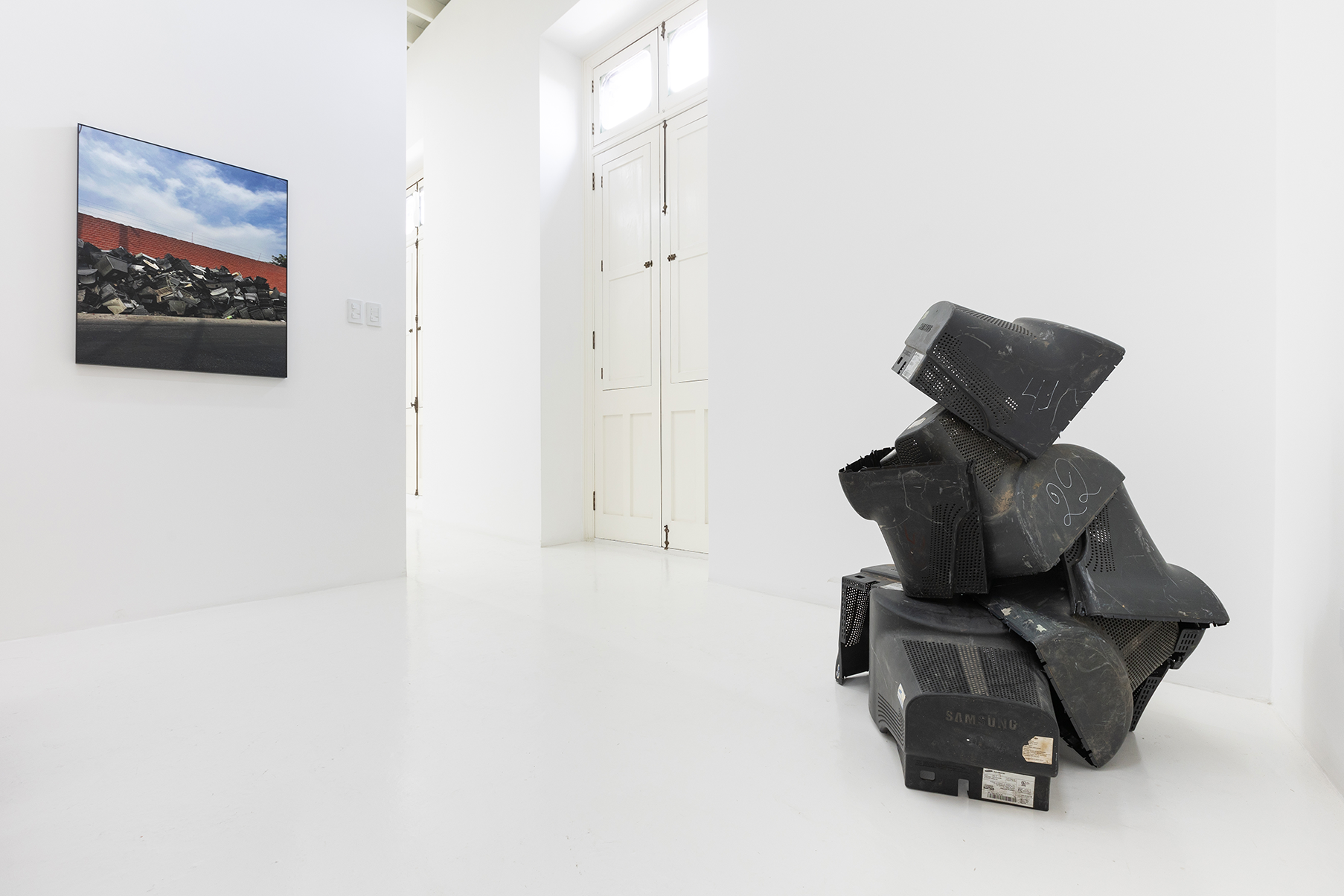
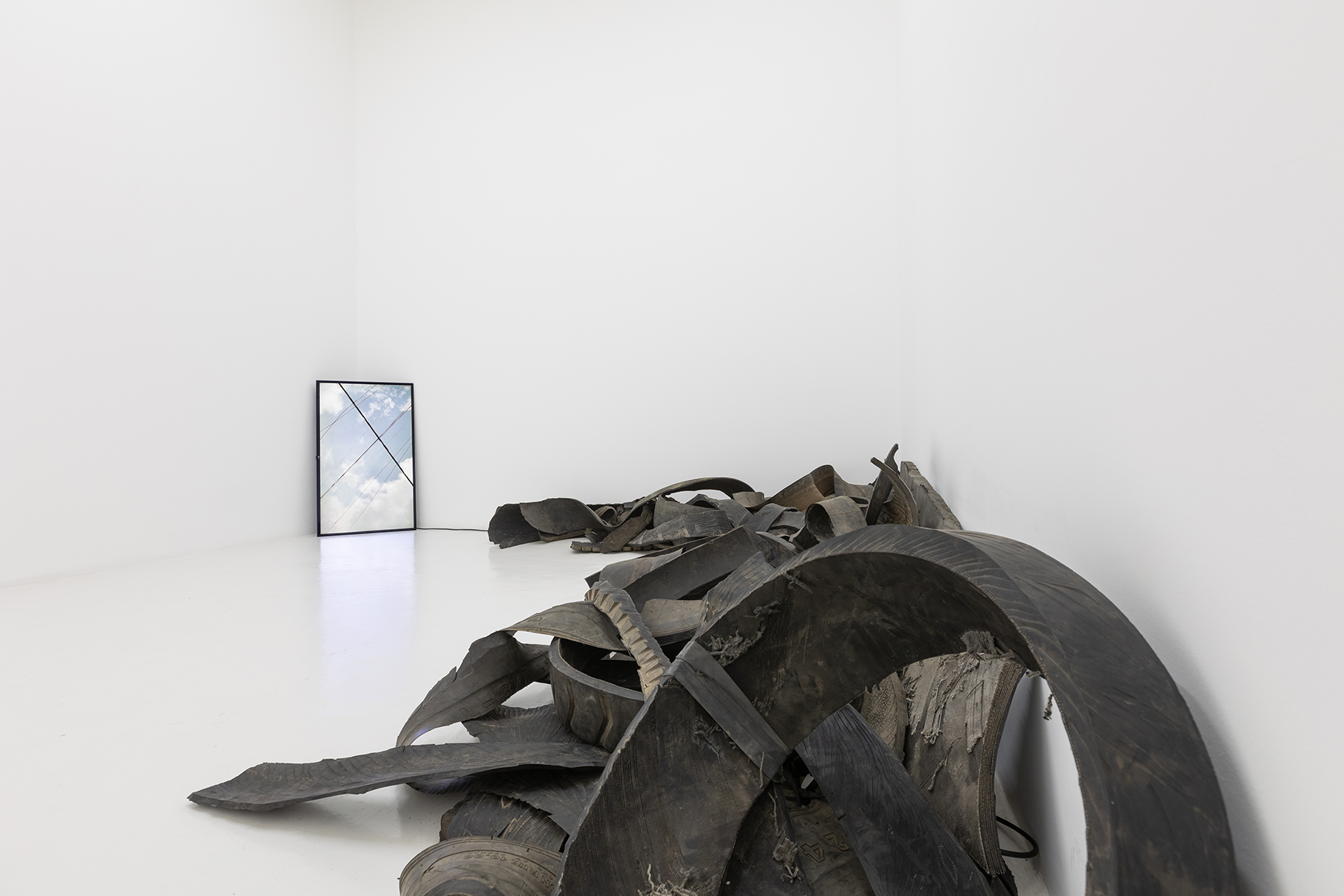
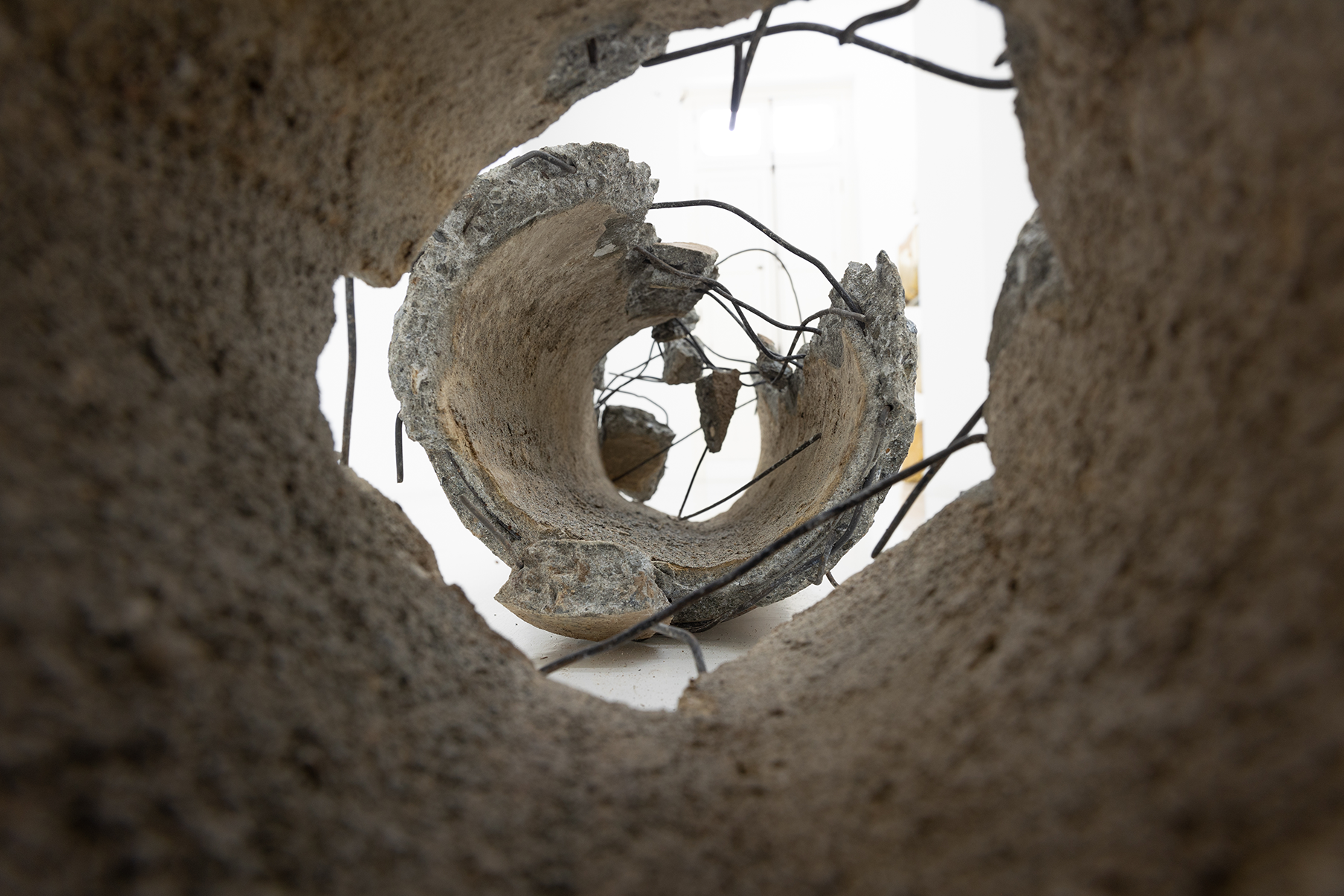
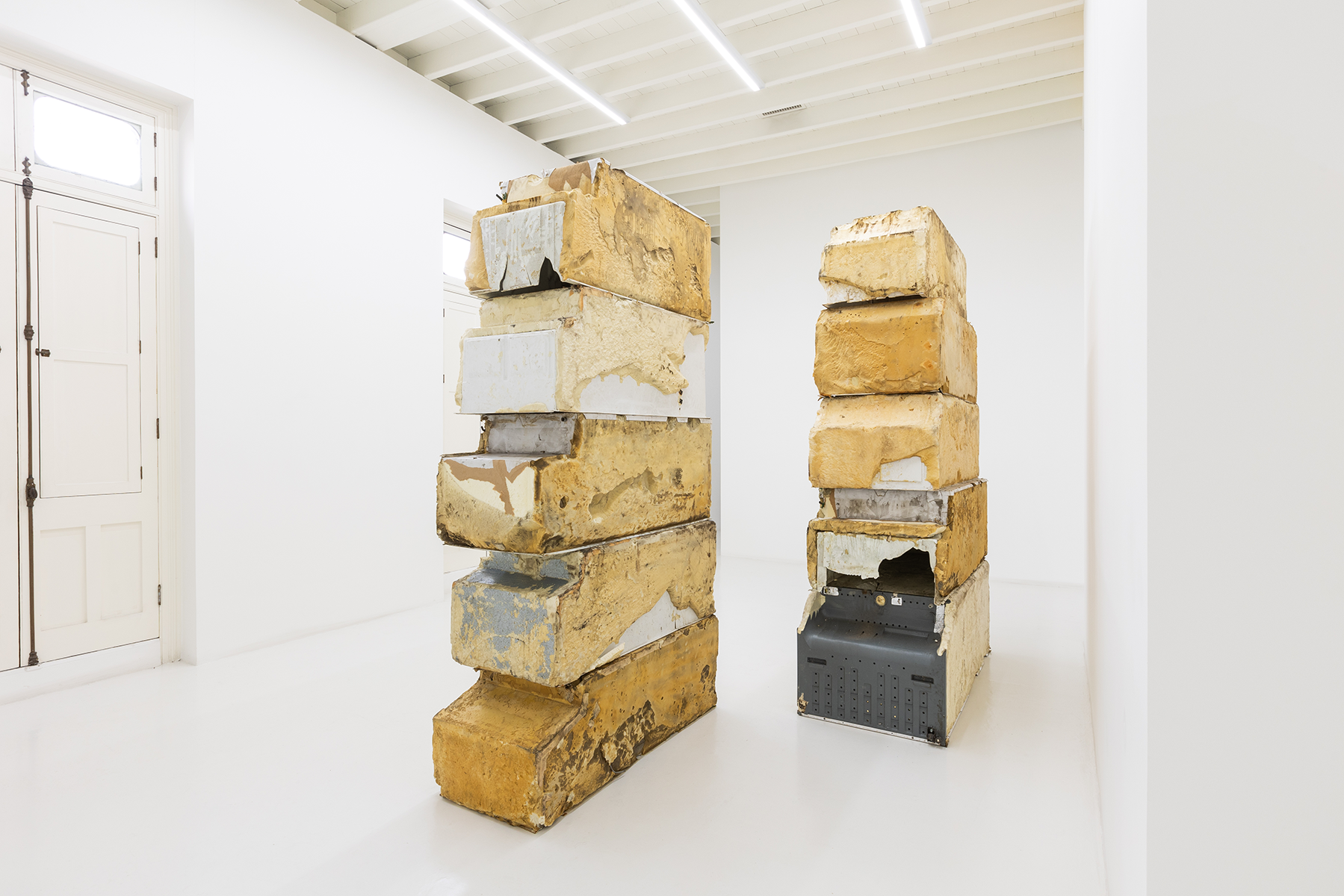
Discarded objects carry social inscriptions. Each fragment, whether whole or dissected, holds the imprint of its past life in a system of fabrication, circulation, and disposal. They stand as material traces of alienated labor, revealing how carelessly objects are abandoned once their extraction or function is worn out. As consumers, we stand at a comfortable distance from these processes, while remaining part of this nonstop cycle of industrial production and waste. It is from these architectural residues that Julia Taszycka (b. 1992, Poznań, Poland) builds her compositions, using damaged ready-mades to expose an archive of a specific moment in time, and the unstable relationship between economic value and aesthetic value. In “all the work i didn’t make”, there is no manipulation of materials; found objects are left as encountered, acting as visual agents of Lima’s production of commodities amongst vulnerable populations. Between New York City and Lima, the logics of waste diverge sharply. In New York, Julia approached residue as a live archive of urban transformation and gentrification, shaped by an economy of buying and throwing away, where people dispose of things in perfect conditions simply because transporting them is too costly. It becomes cheaper to buy, and to throw away. In Lima, discarded objects become the economic backbone of local communities, sustaining informal labor marked by marginalization and power imbalance. What we think is waste already has an owner: within autonomous and unregulated economies, things thrown are things collected, dissected, sold, and resold in long cycles of reuse and revaluation. Bringing these objects into the space of the gallery foregrounds the contrasting systems that shape their circulation, exposing the social structures, vulnerabilities, and economic forces imprinted in their material lives. The works resist aesthetic transformation, allowing the residues themselves to articulate the worlds they come from, the hands that depend on them, and the systems that determine their value. How do our own positions within these systems shape the ways we read, aestheticize, or overlook what has been left behind? Tarissa Revilla
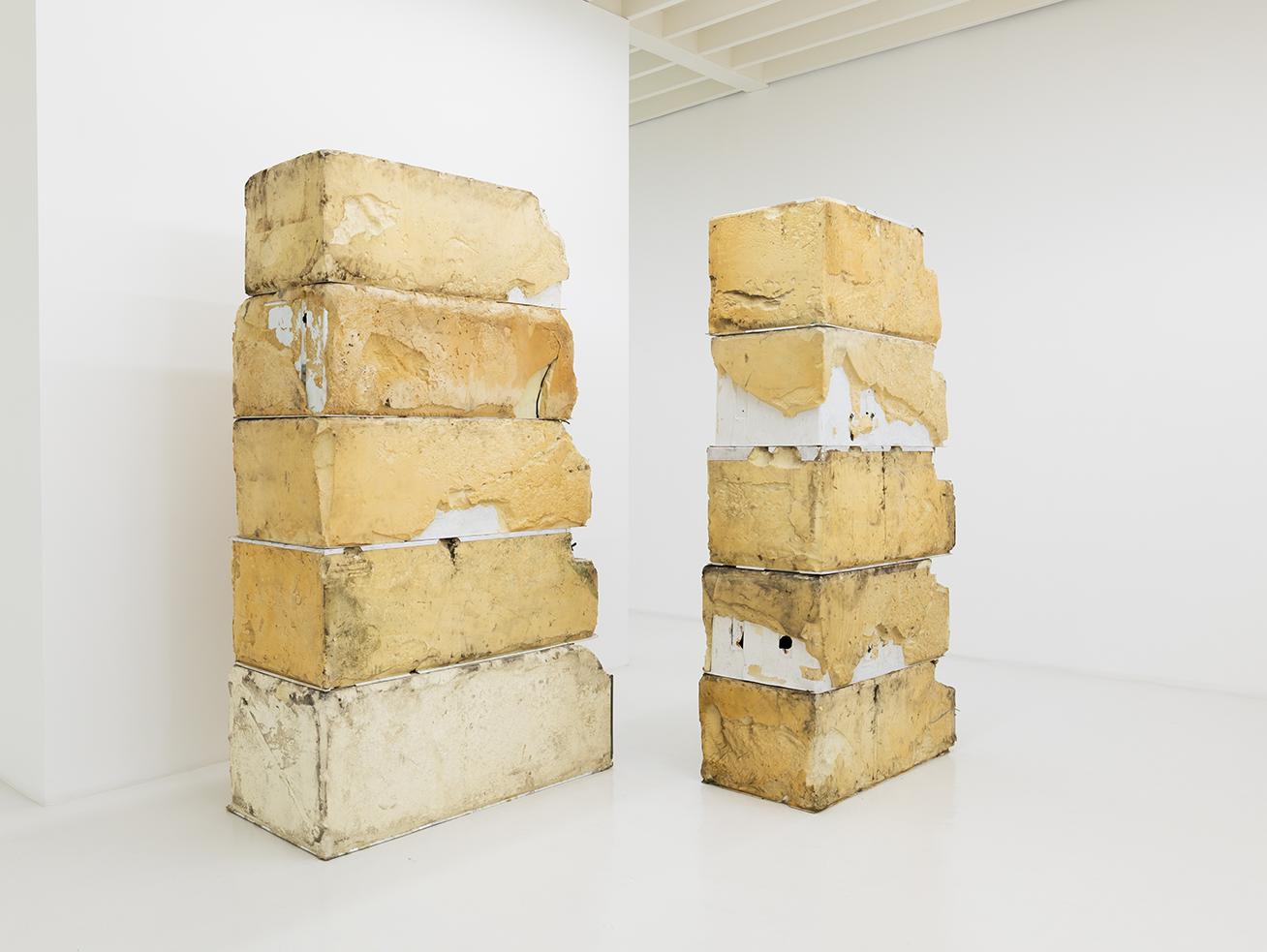 15018 – 1
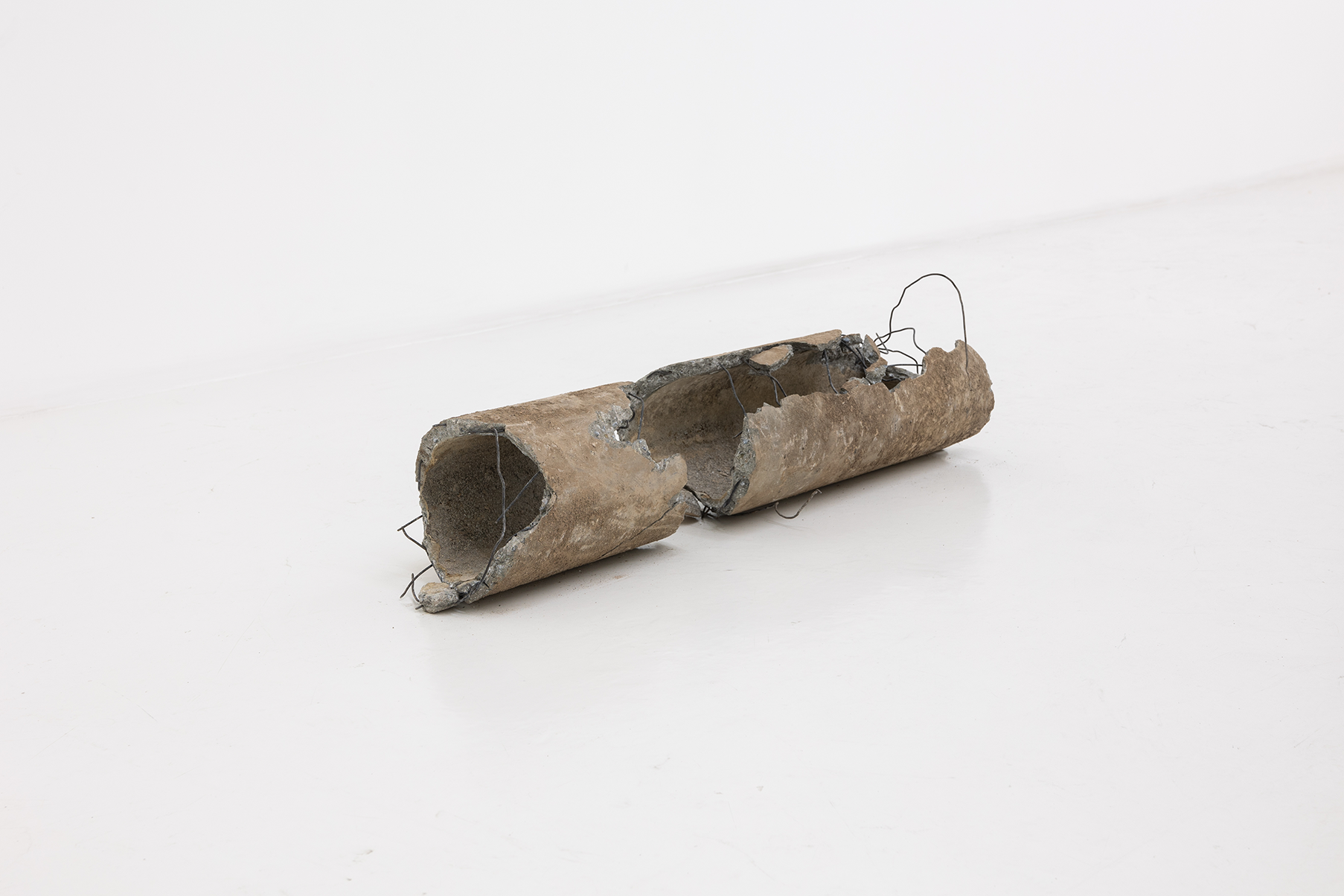 15001
15001
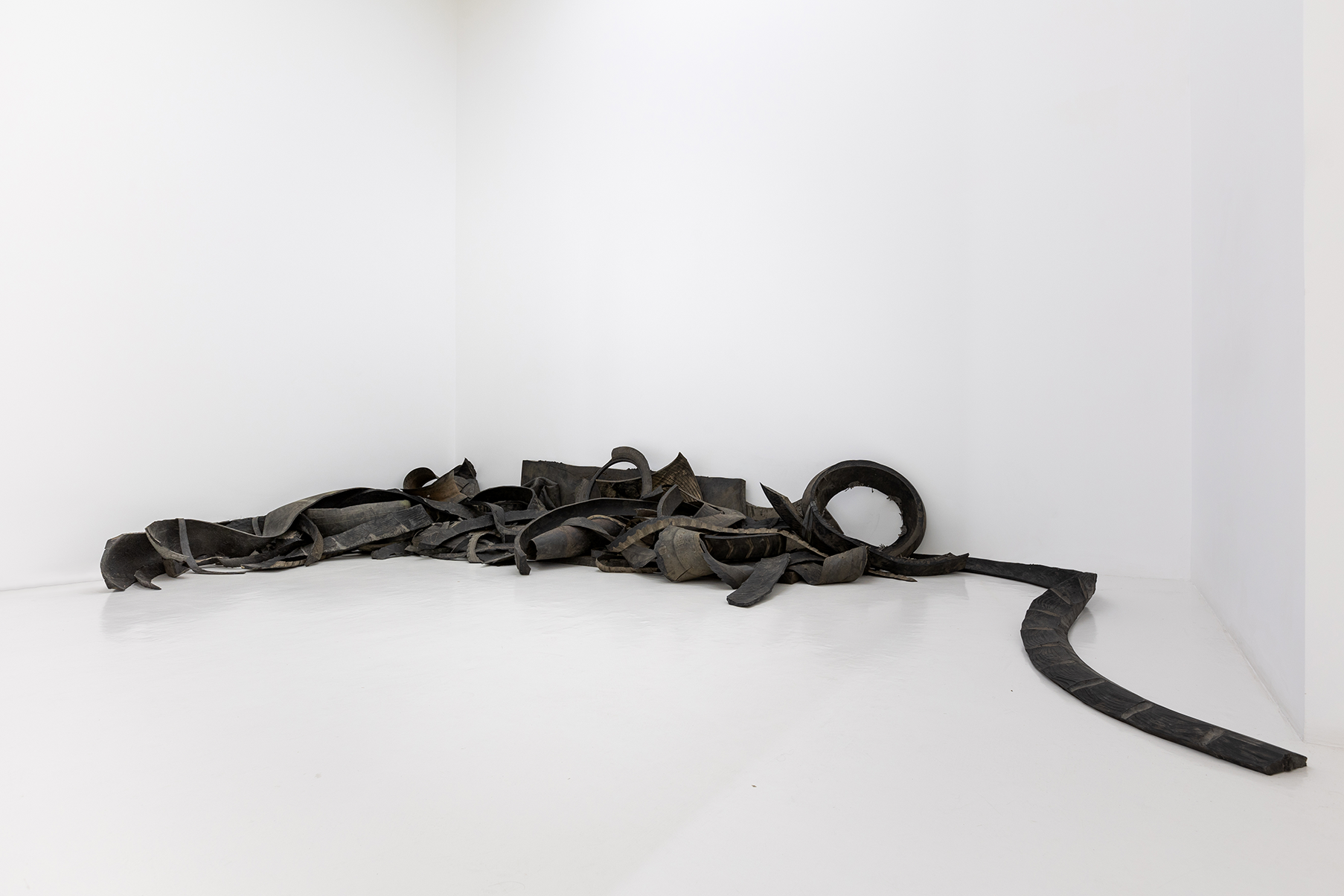 15018 - 2
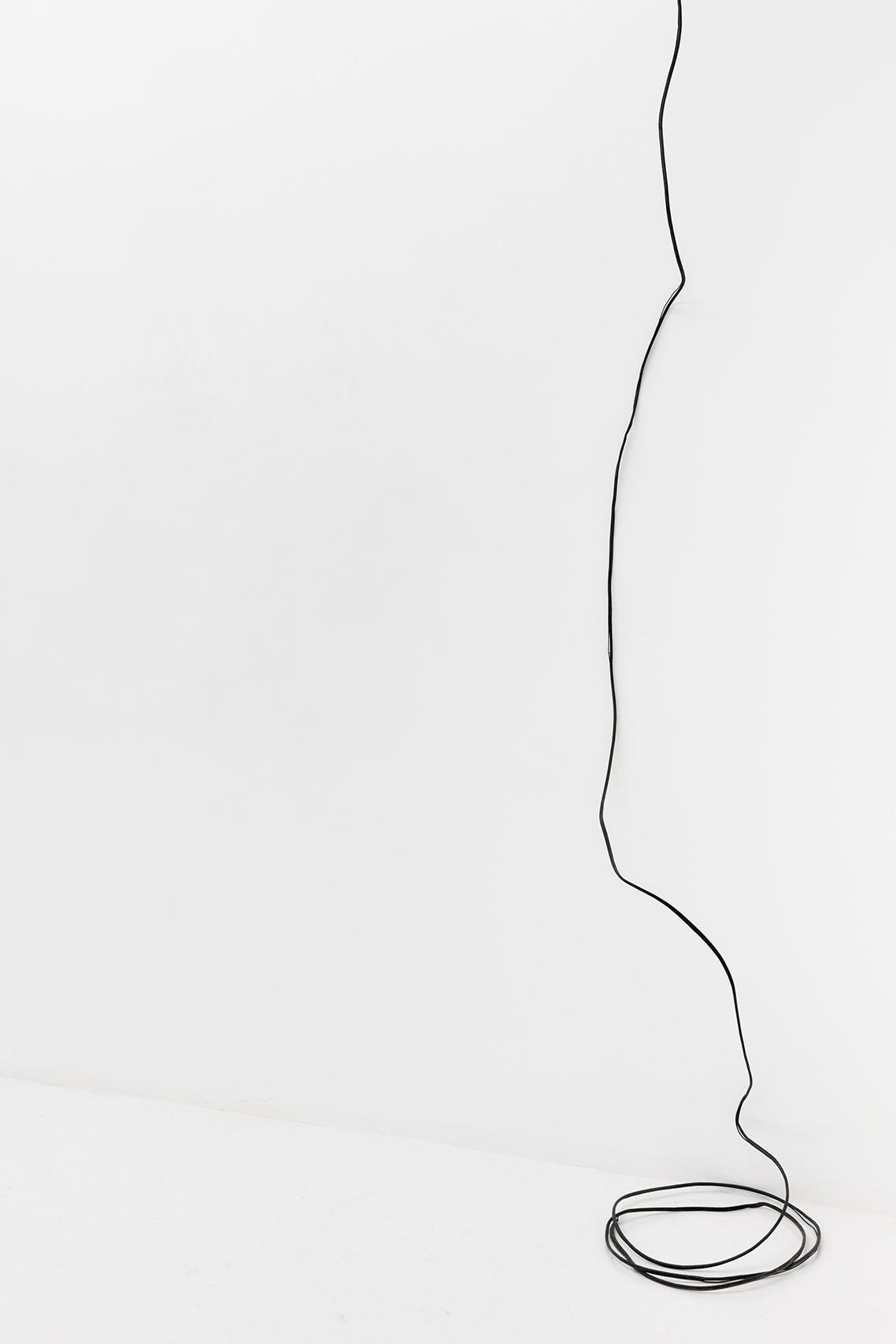 15018 - 3 (but could be anywhere)
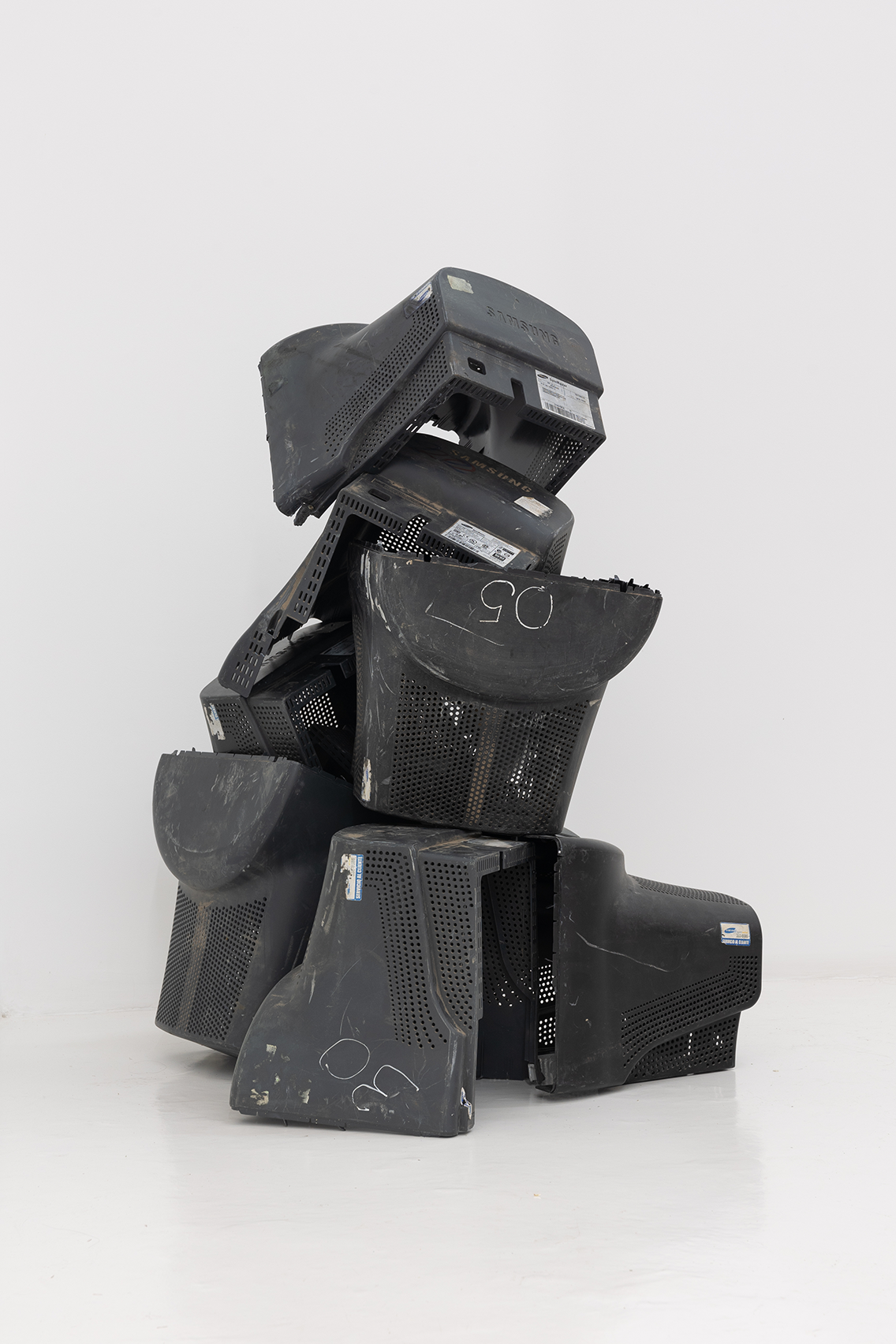 15018 - 4
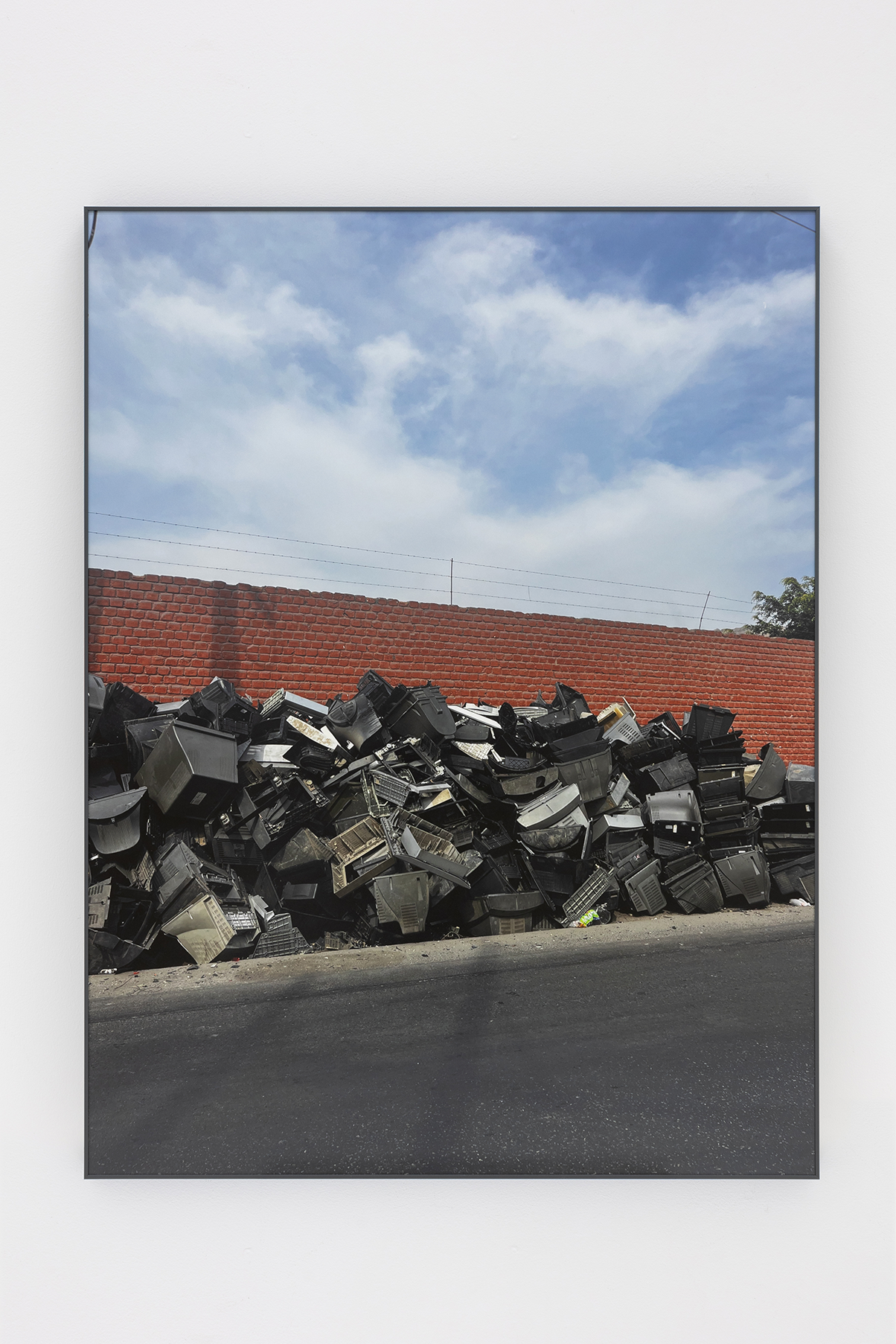 15018 – 5
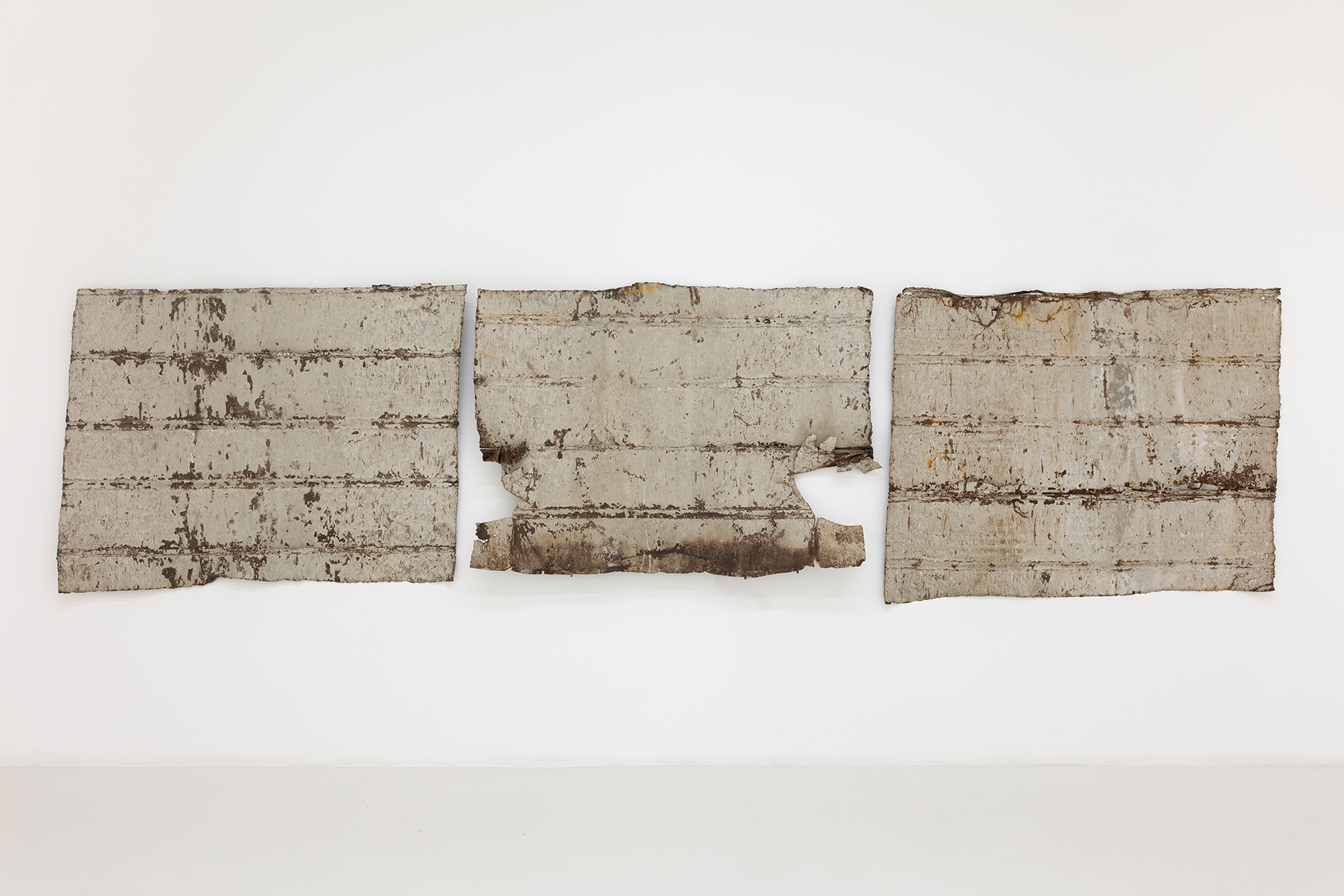 15018 – 6
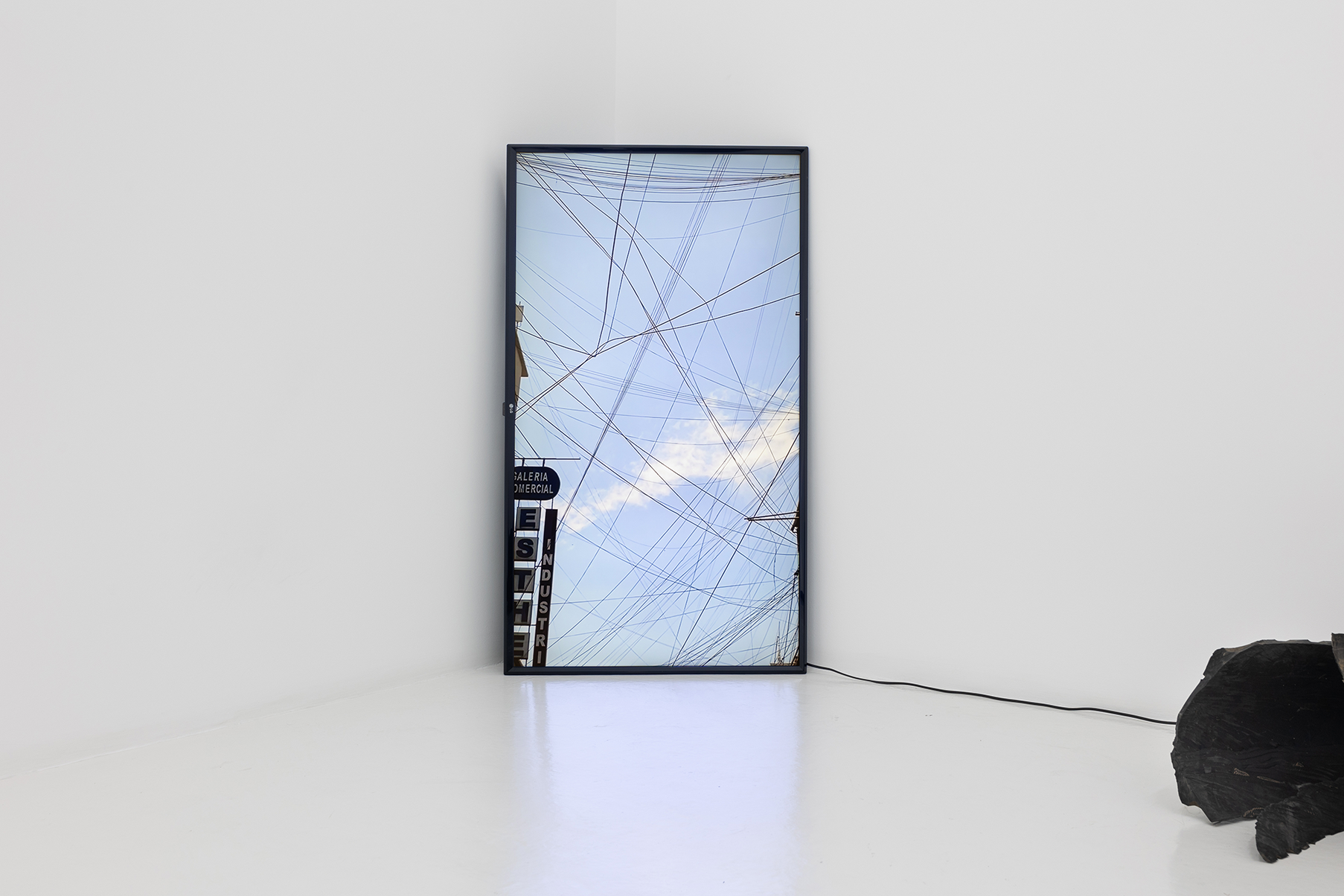 15018 – 7