Theodoulos Polyviou, Ali Glover, Federica Francesconi
Vertigo (Disambiguation)
Press Release
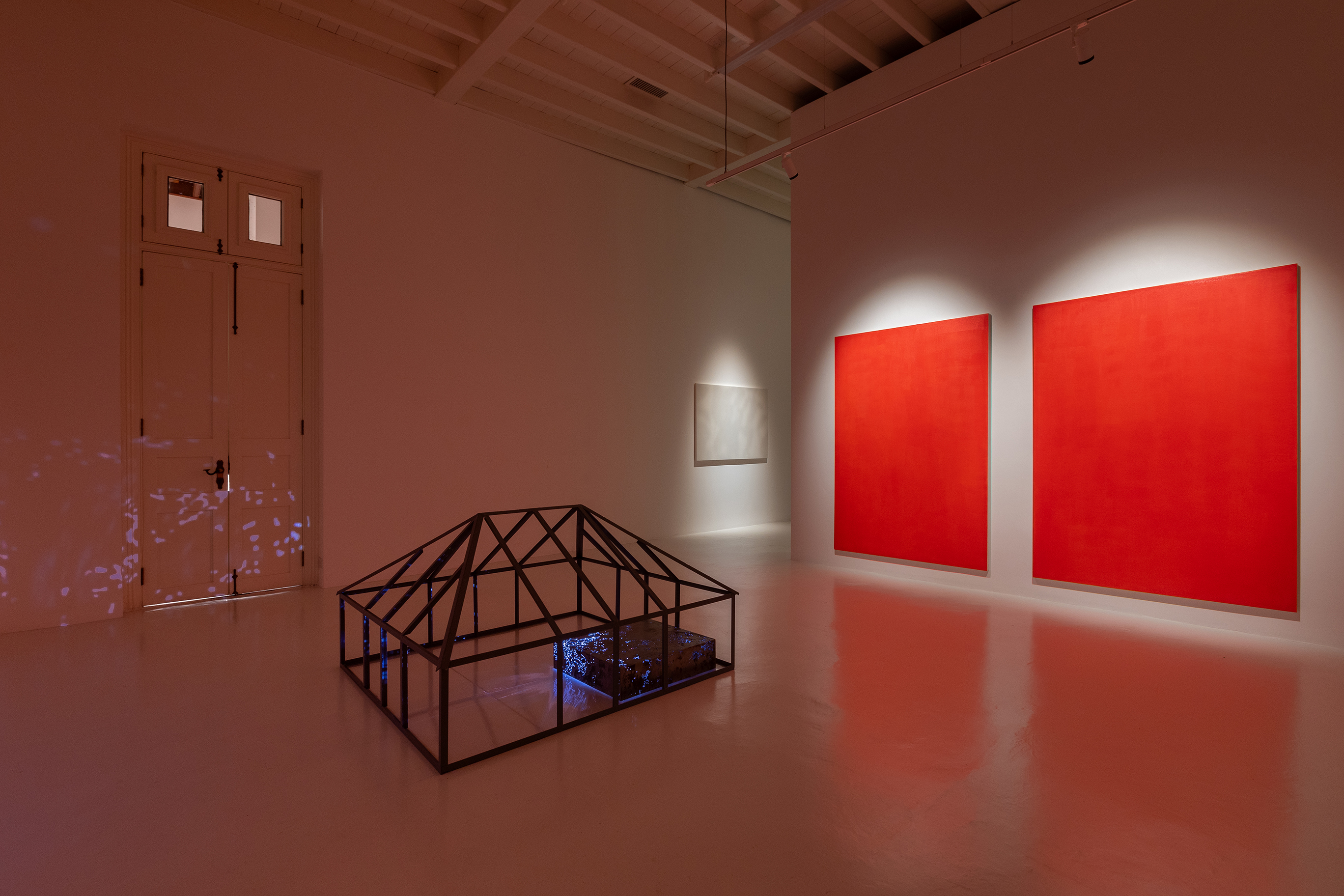
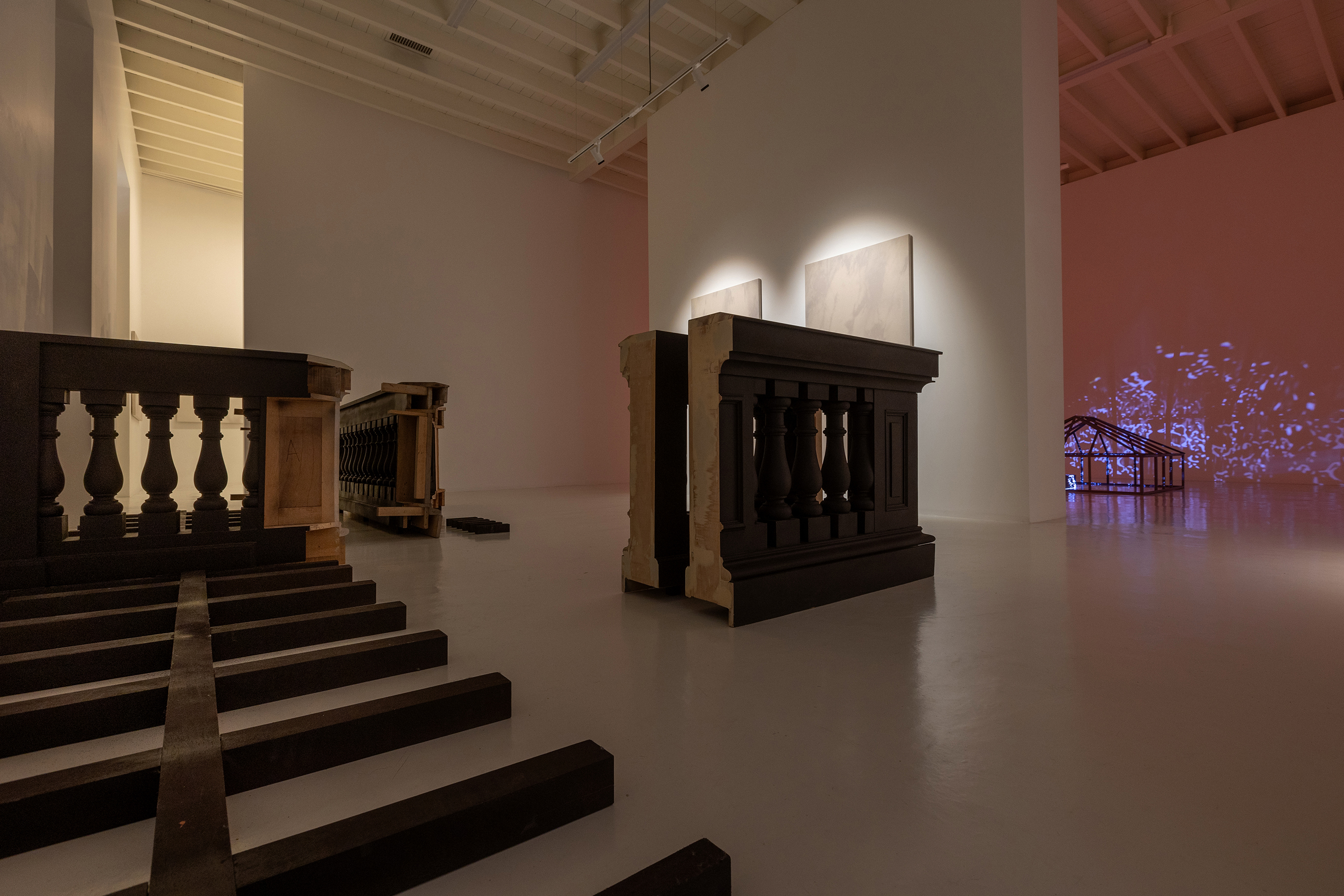
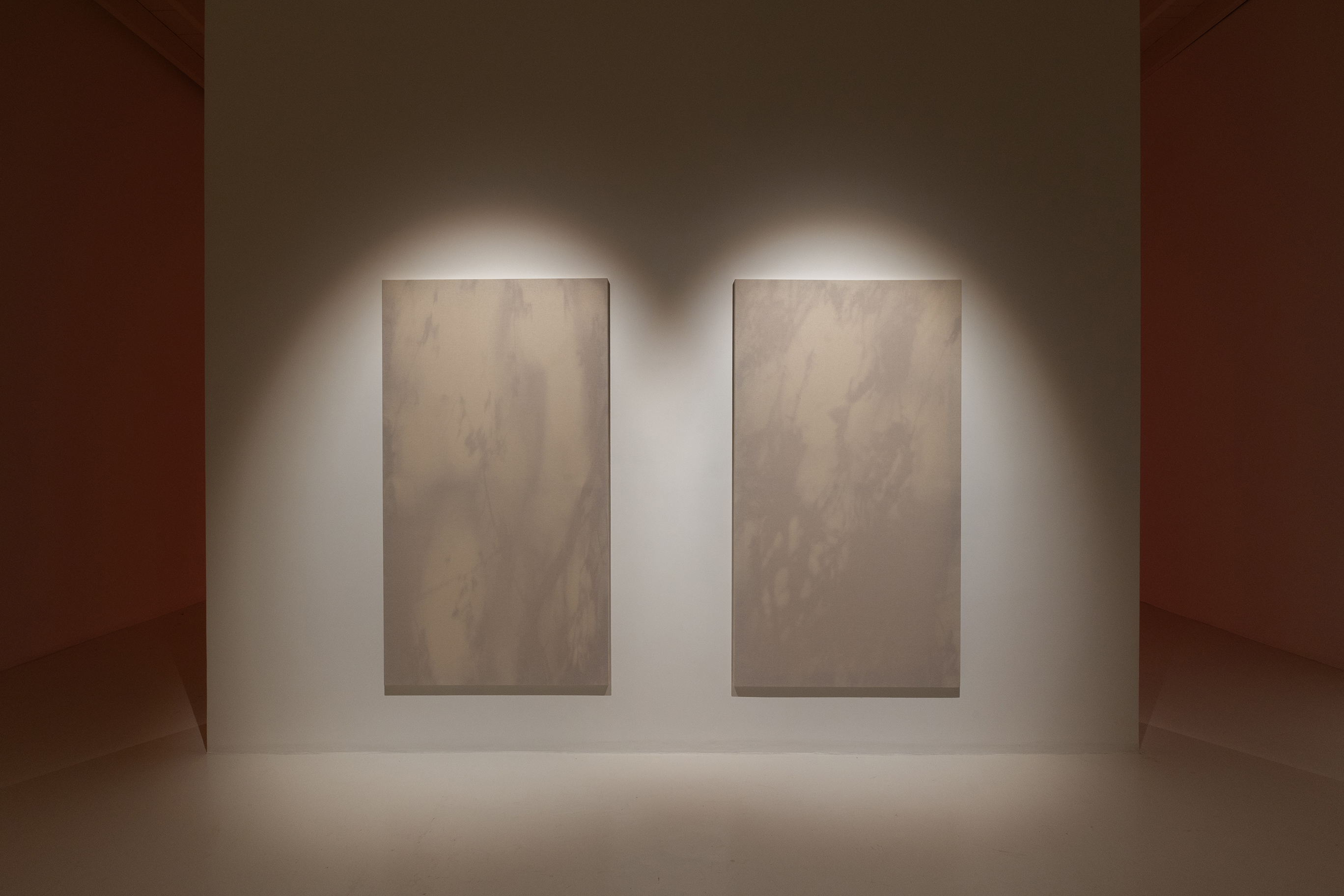
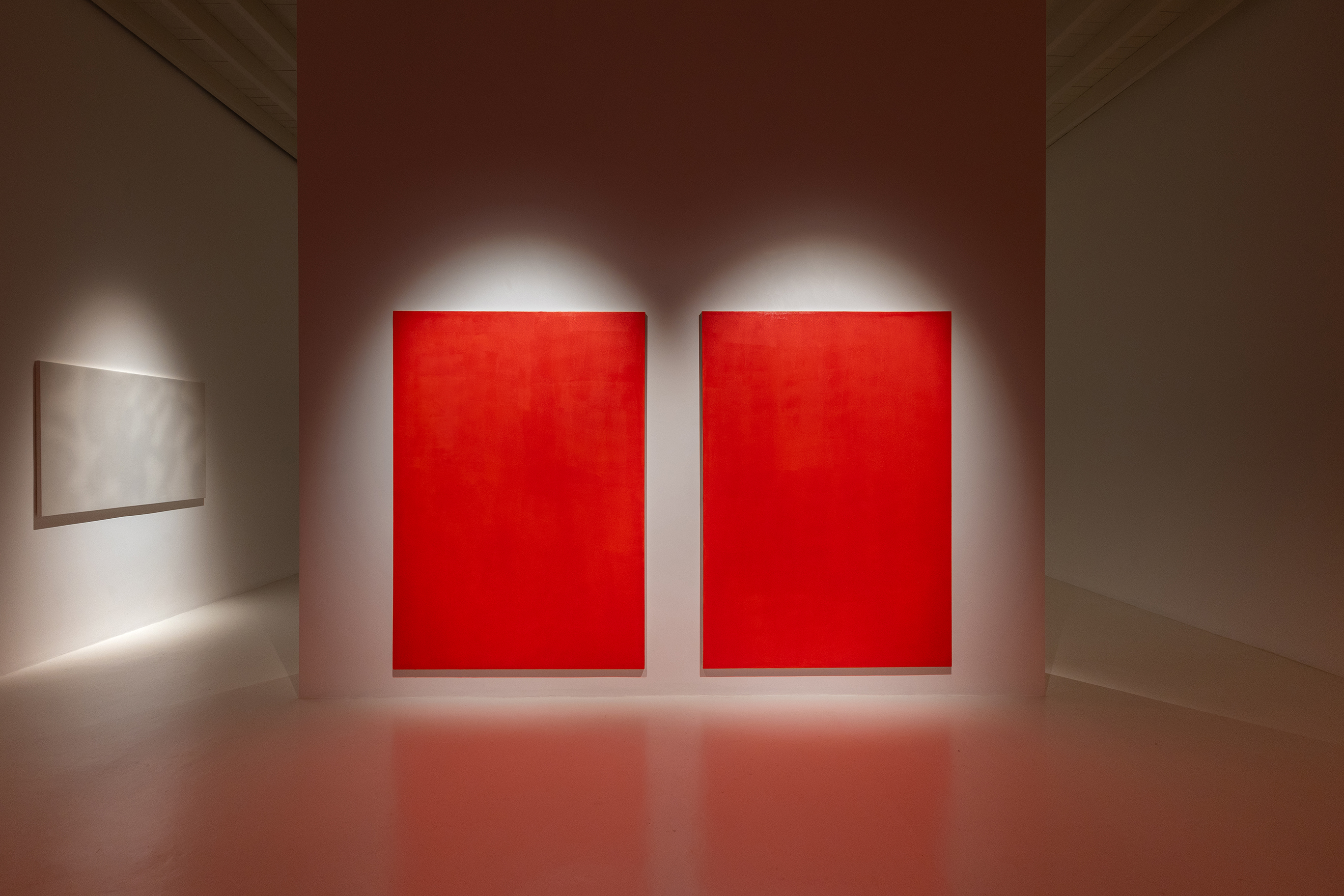
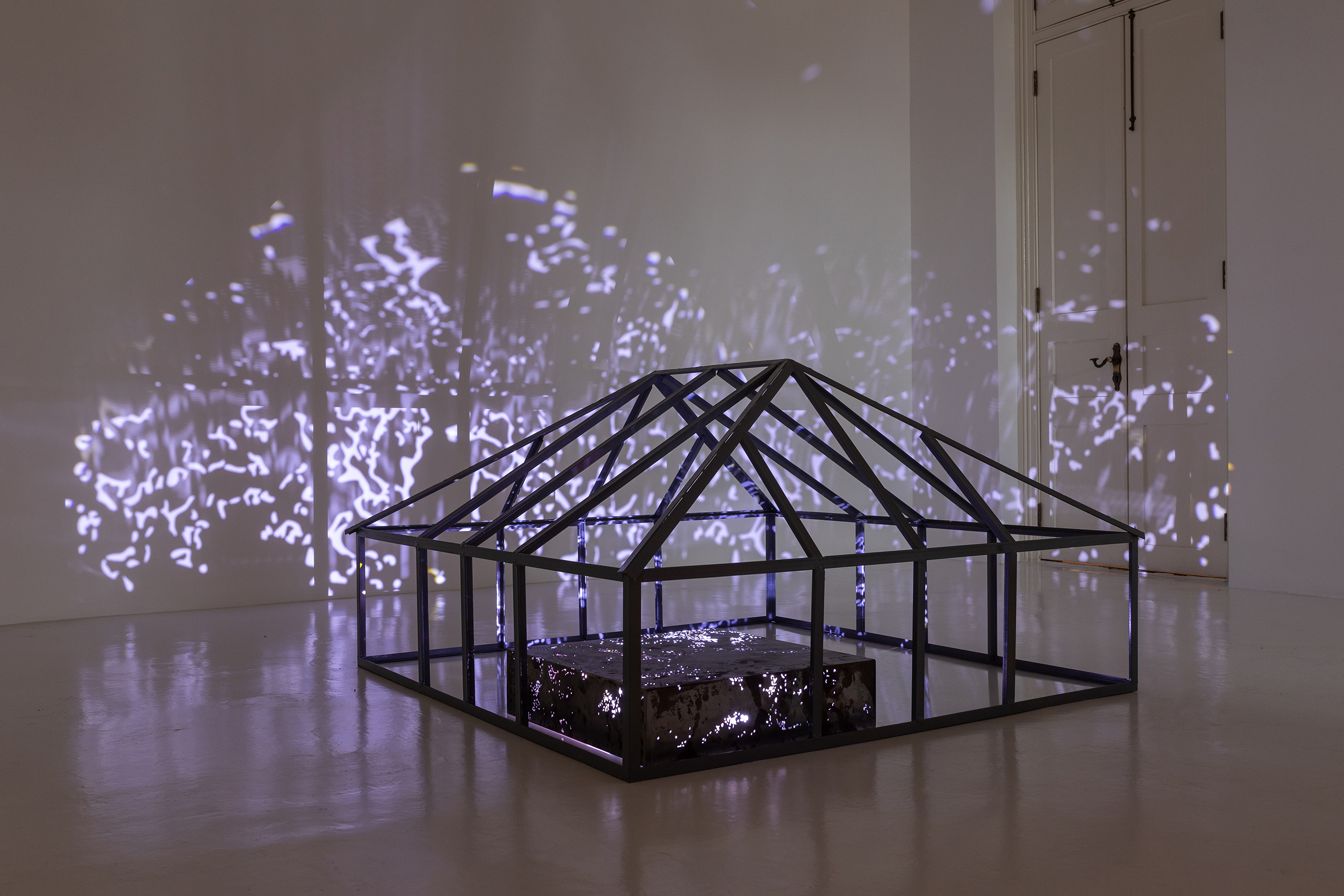
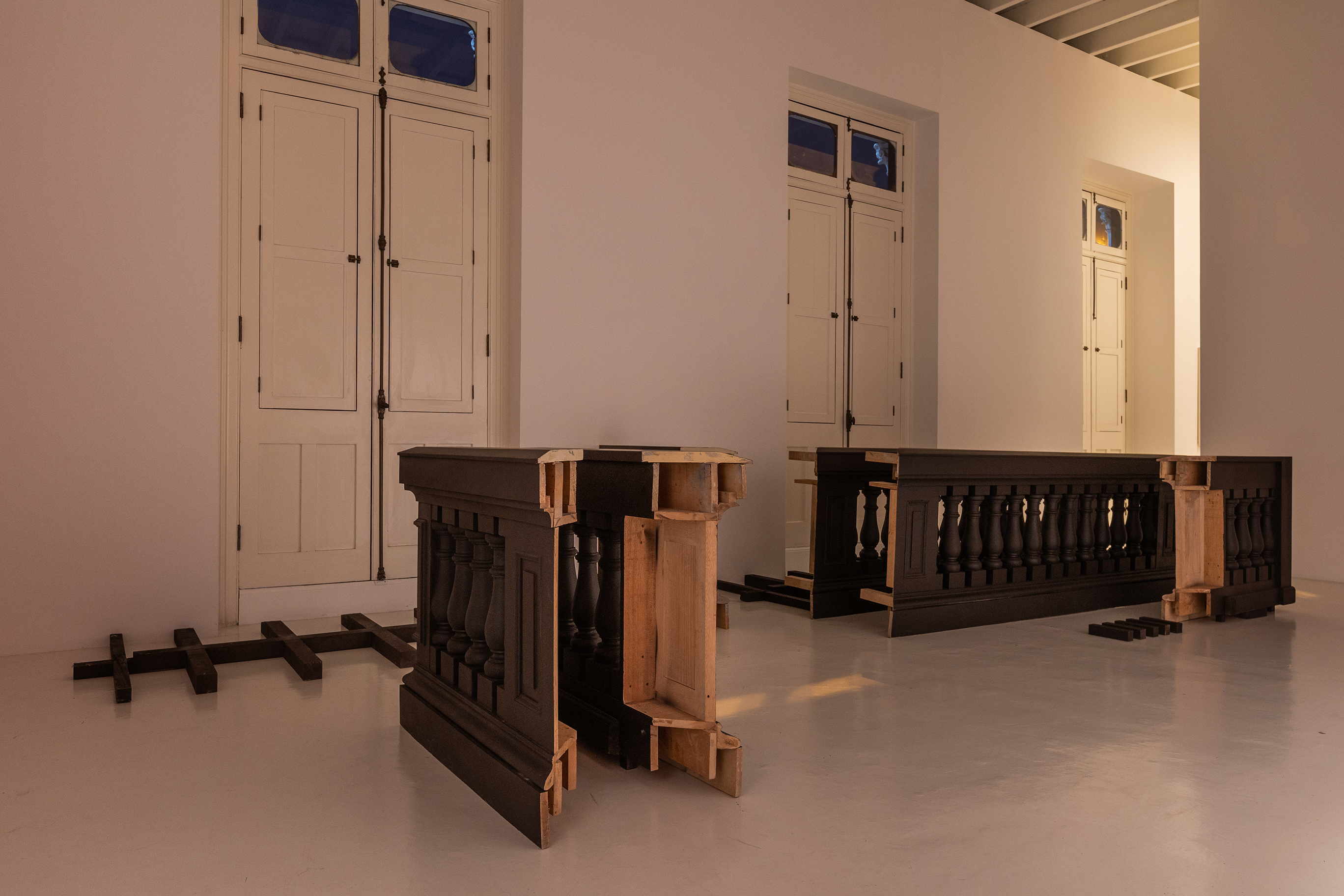
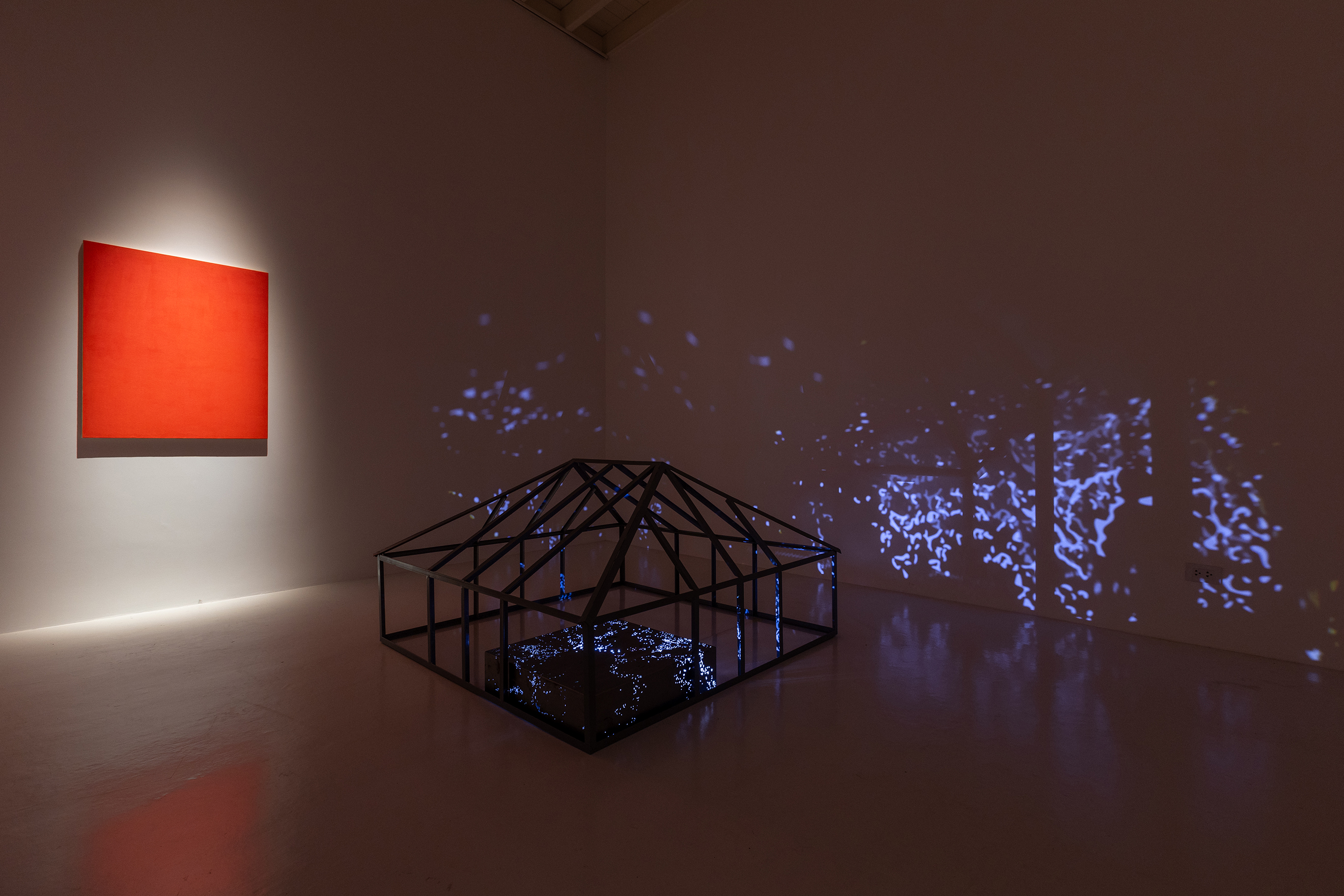
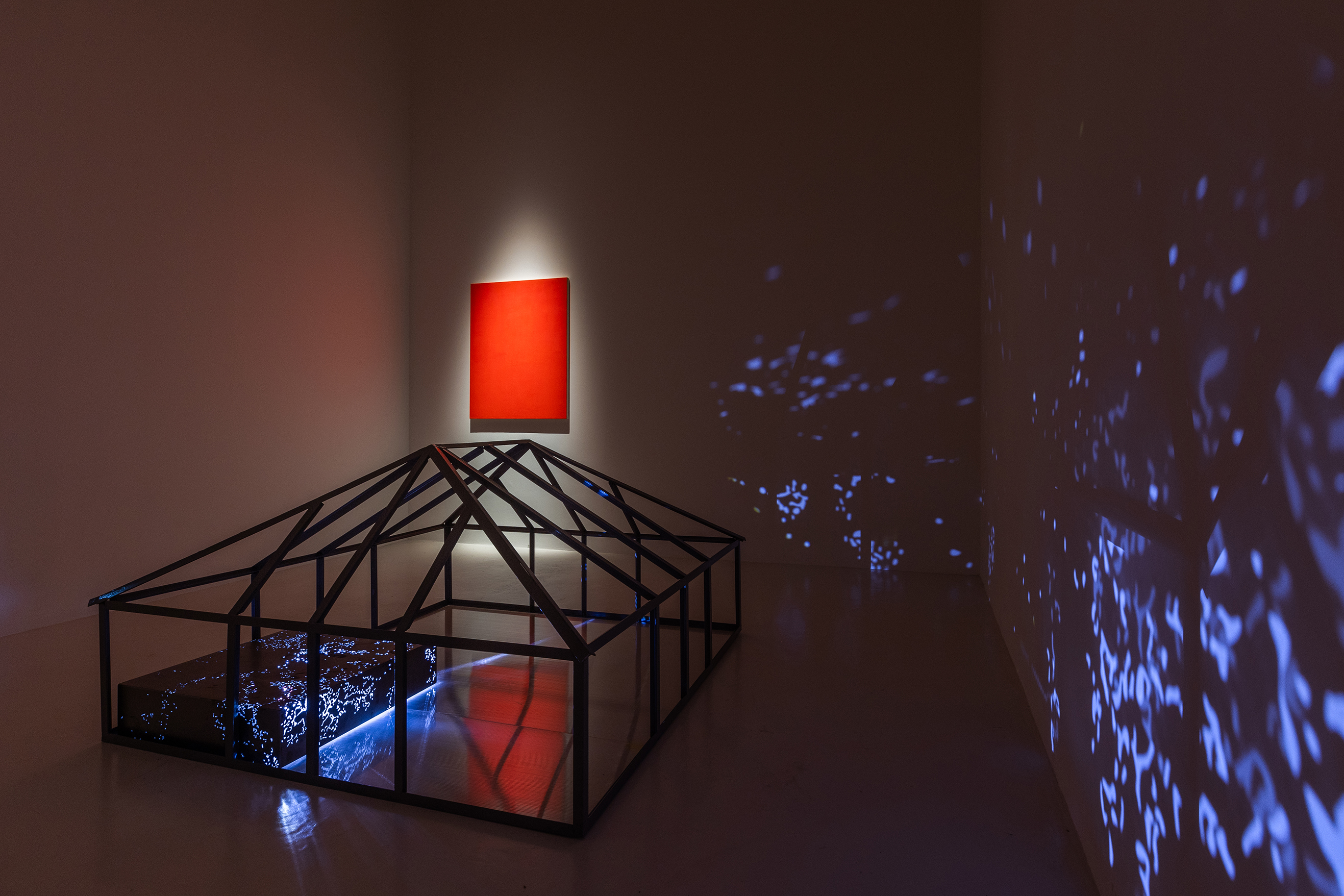
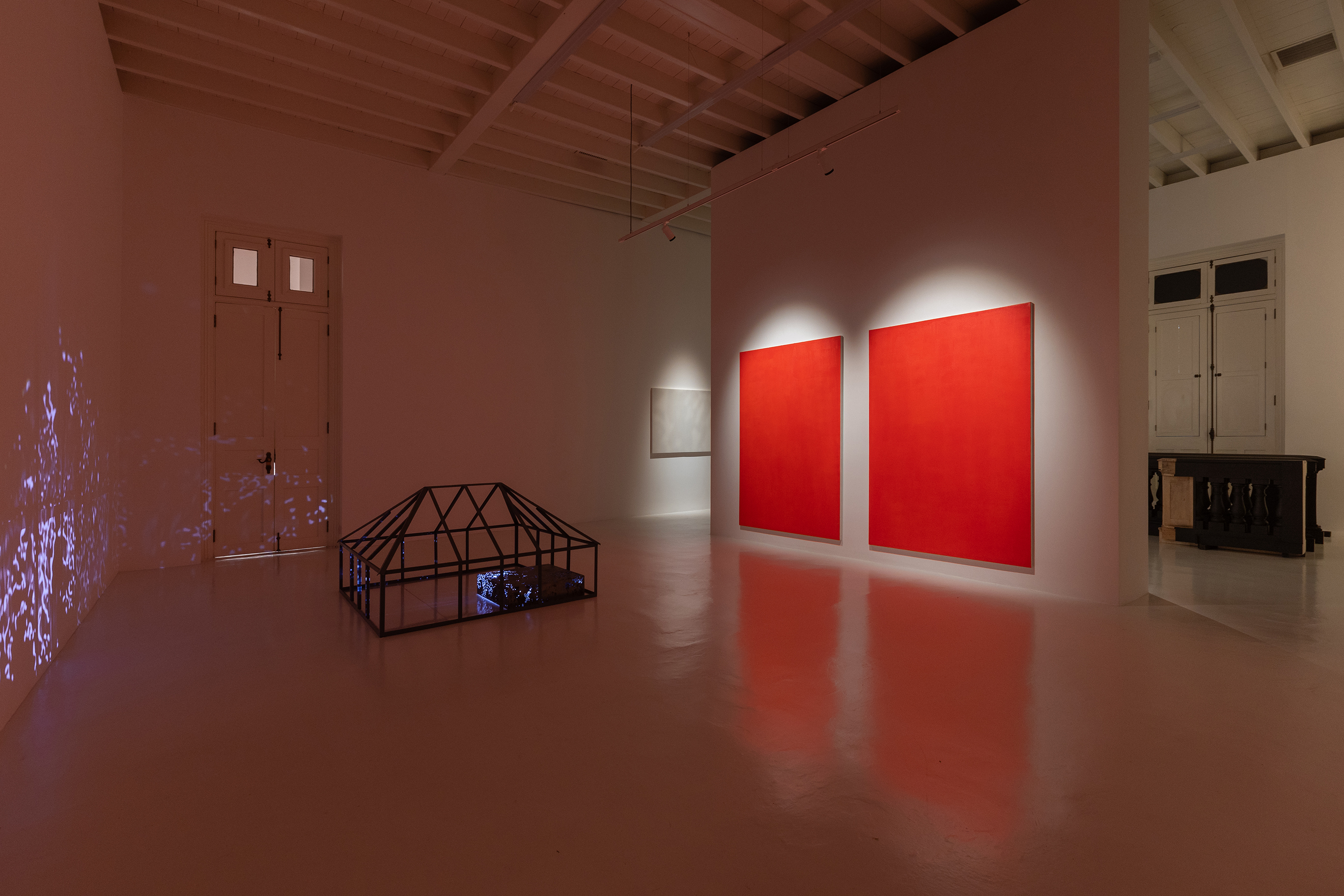
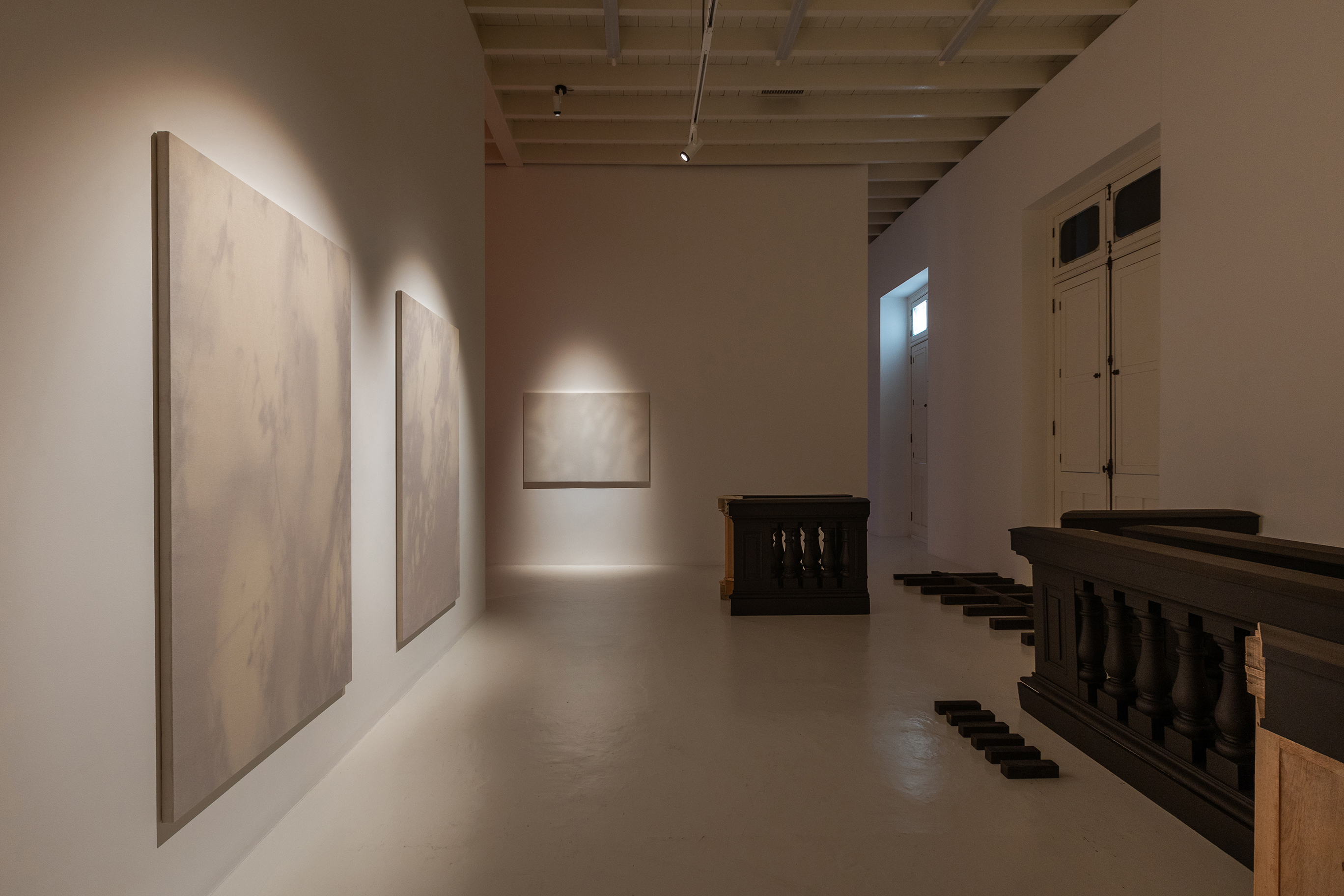
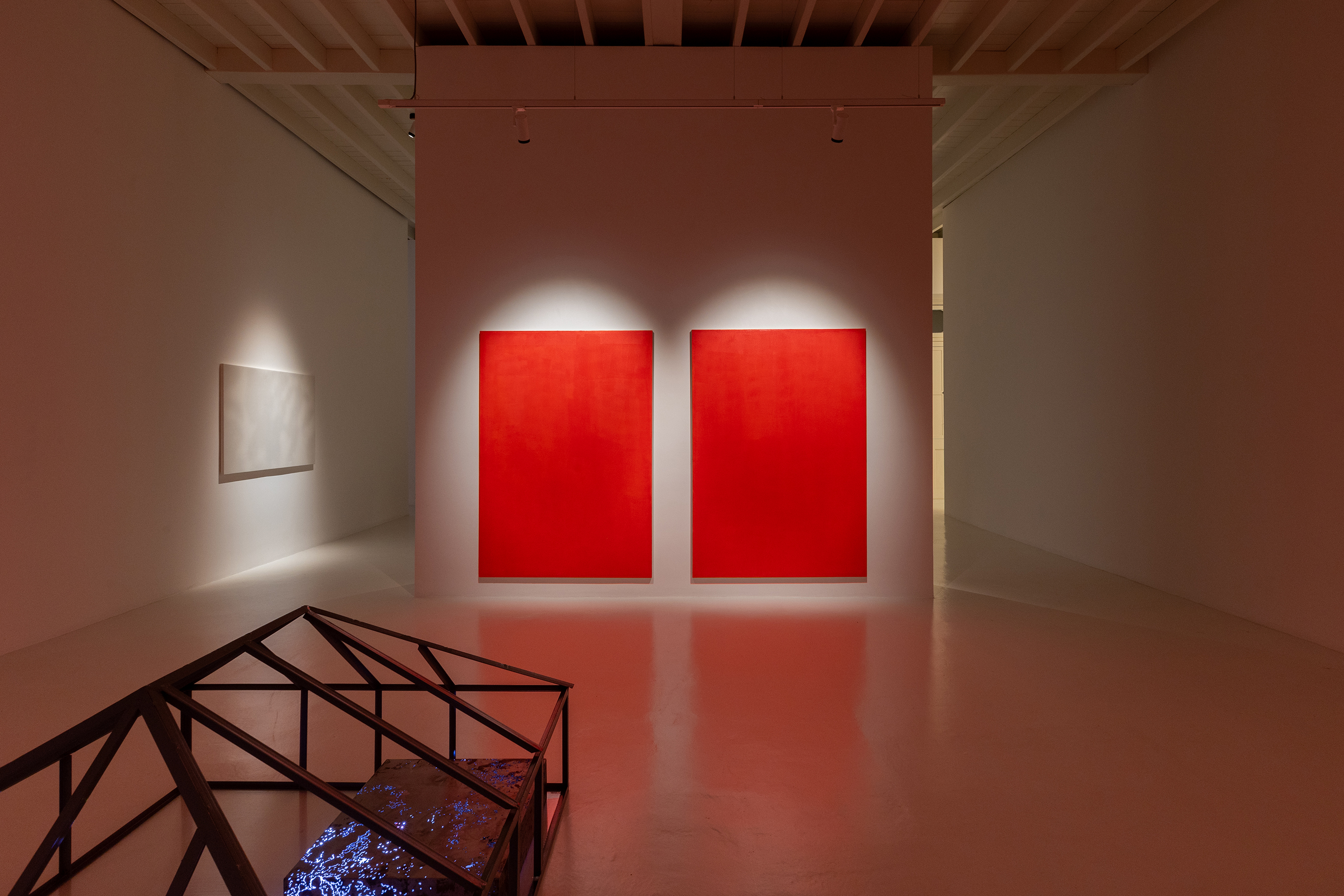
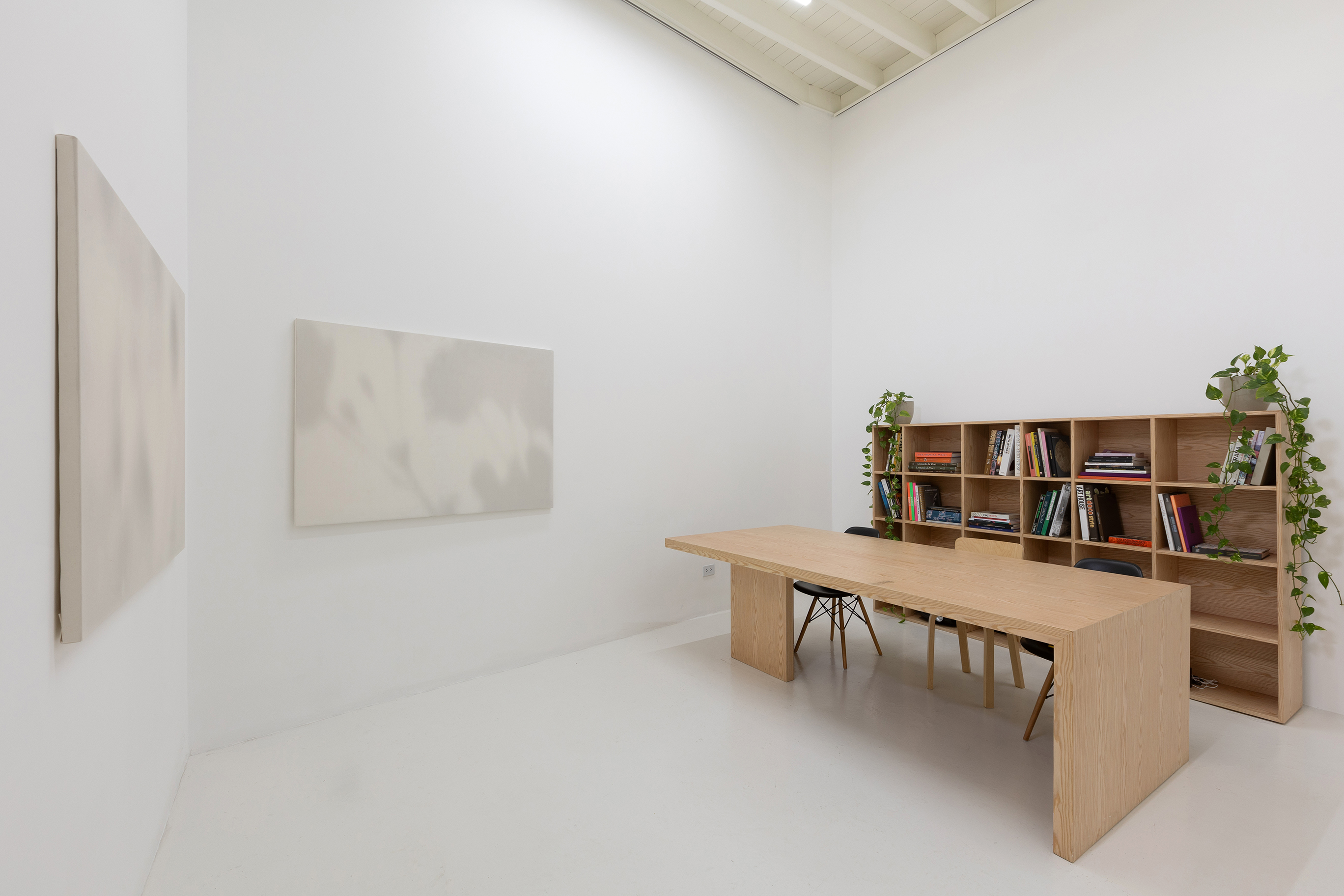
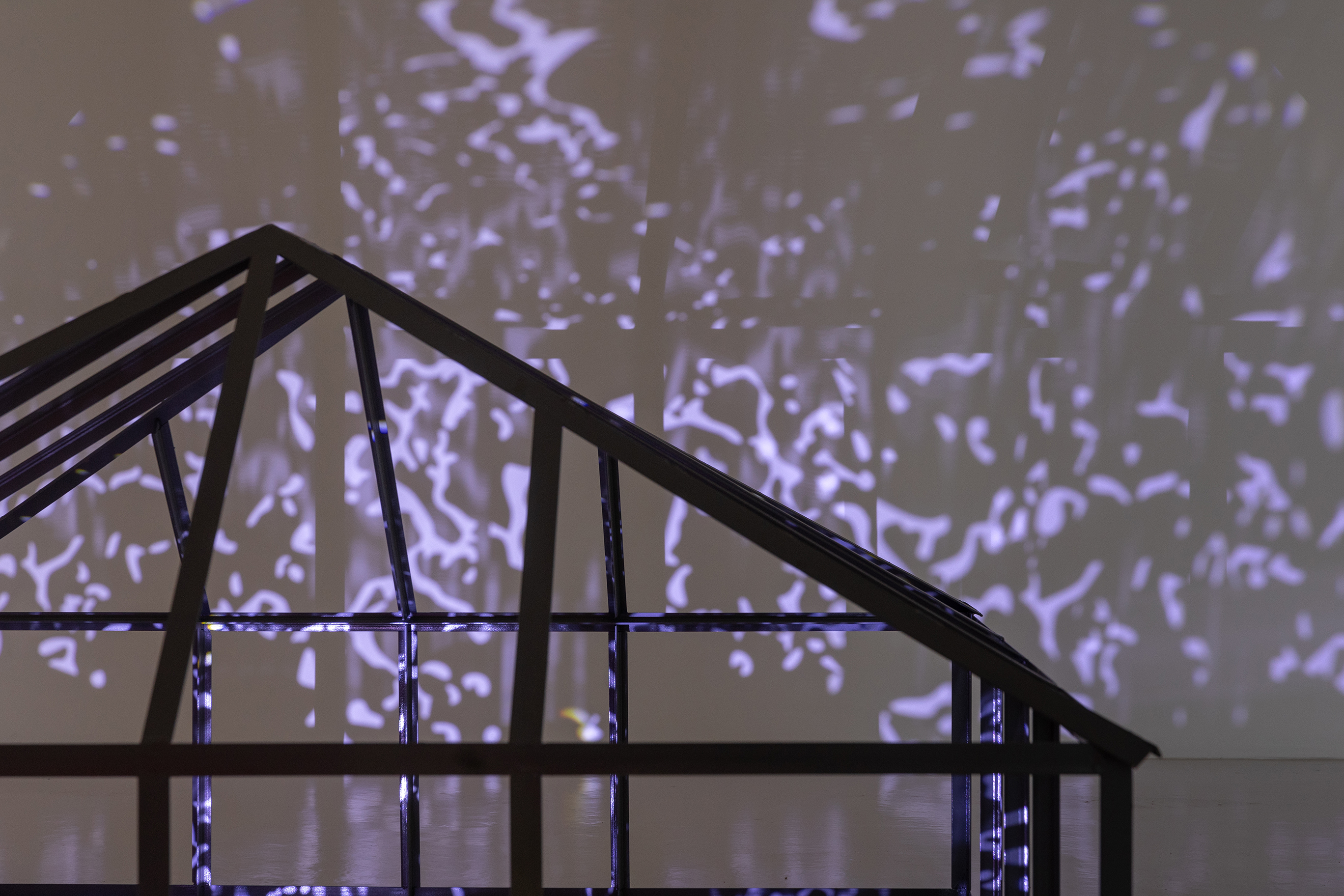
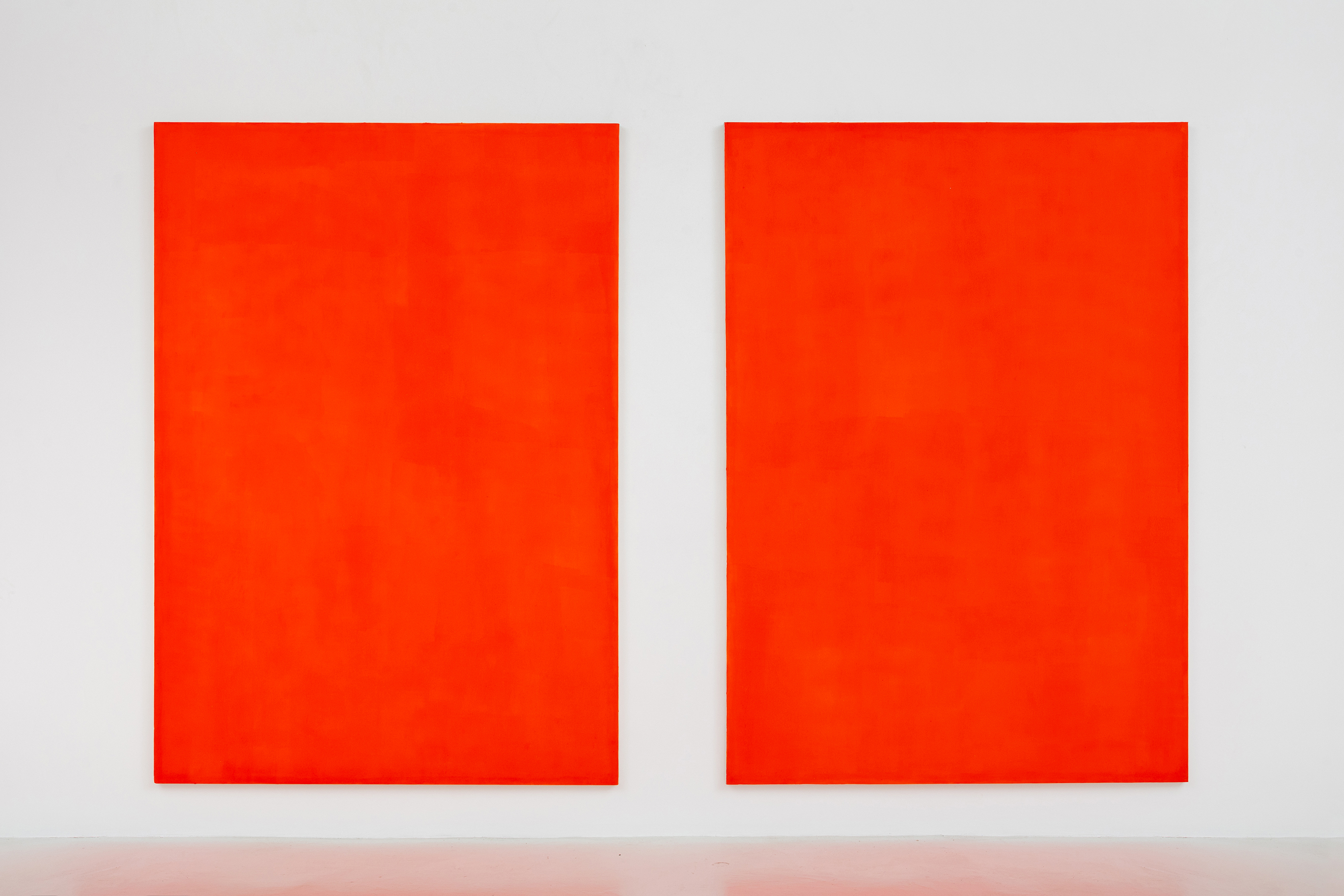
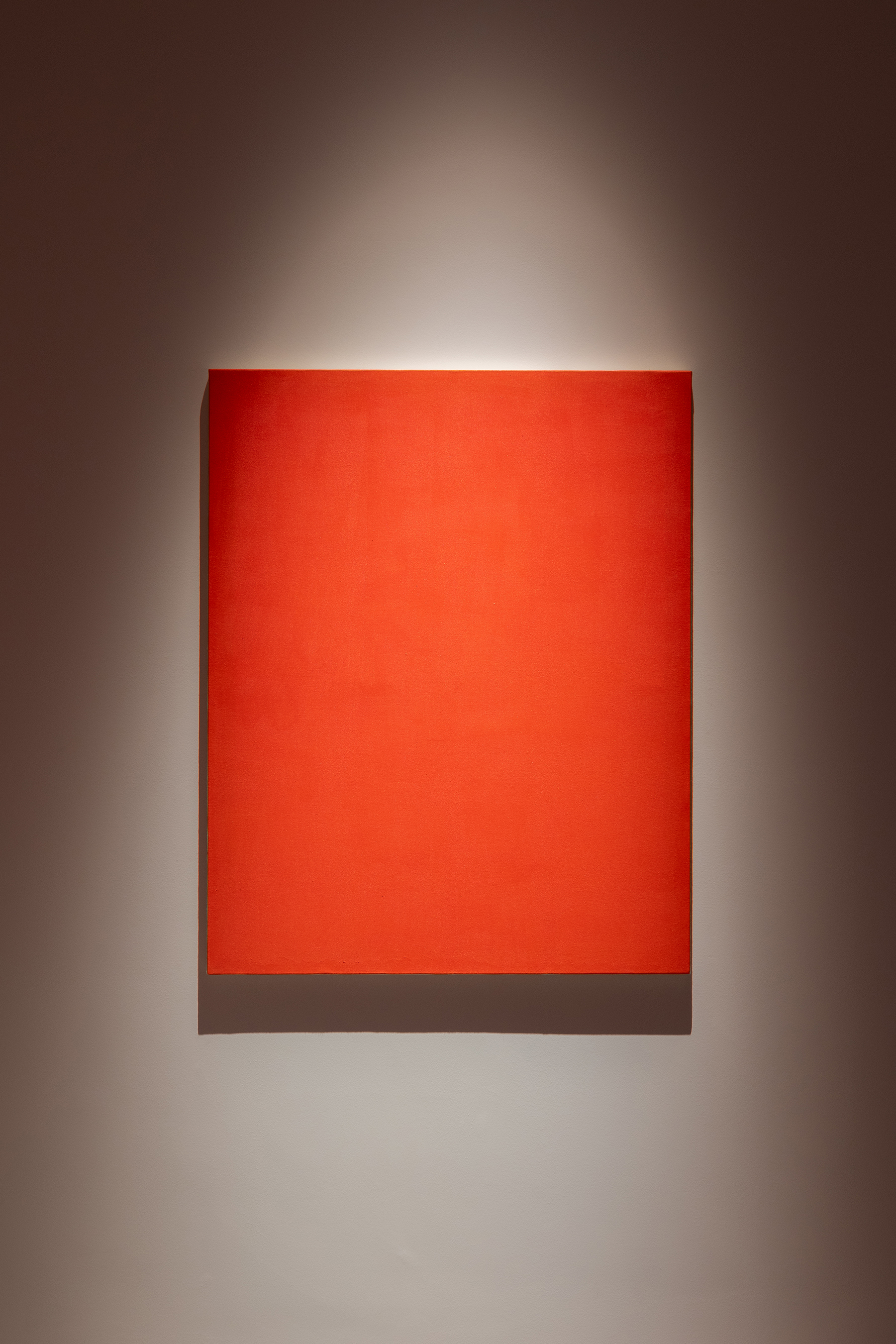
Disambiguation, noun / dɪs.æm ˌ ˈbɪɡ.ju.eɪ.ʃən / Removing ambiguity of meaning from a sentence, phrase, or other linguistic unit. Bringing together works by artists Federica Francesconi, Ali Glover, and Theodoulos Polyviou, and curated by Kollektiv Collective, Vertigo (disambiguation) is an exercise in site-specific exhibition-making. The architecture, location, and history of Galería Gato became the primary source material for a dialogue between three artistic practices. Reflecting on the architectural use of light, the exhibition contemplates demarcations between the inside and outside, foregrounding the politics of space and its surroundings. Galería Gato’s building is the exhibition's starting point and its conclusion. Built between 1899 and 1905, its Republican-style architecture and history—as a judicial residence, an ice cream shop, and a site of occupation—reflect the political, social, and urban transformations of the city throughout the 20th century. Drawing an analogy between the building's relationship to its city and the exhibition's relationship to its space, Vertigo (disambiguation) reverts to the architectural use of light as both a mechanism and a metaphor. Spanning varying degrees of abstraction—from daylight to projection to illusion—each artwork is a gesture that bends the functionality of light and shadow, visibility and privacy, access and restriction. Theodoulos Polyviou’s installation Streets in the Air (2026) is an exact replica of the historical balustrades of Galería Gato’s Republican-style balconies. Positioned in the space as though left to be assembled imminently, the work renders visible the process of planning, manufacturing, and installing the wooden structures. Through the gesture of replicating, the installation considers the politically charged history of the balconies and their view onto Plaza Bolognesi from inside the exhibition space. Polyviou imagines the balcony as an object in itself, an architectural element that records the history of colonialism, class politics, and civic unrest, captured in a moment before its function becomes the focal point. Ali Glover’s work presents skylights as objects in their sculptural form, approximating their function of flooding a room with light. Referencing the skylights that cover the mansion, <<<<shimmers (2026) positions Lima’s rooftops inside the exhibition space. Observed from above, the noise of the streets is drowned out, and the illusion of a more passive, unified urban landscape gives way to romantic imagination. However, the artist’s night sky is not made up of stars; instead, light radiating internally replicates the speckled ceiling tiles of an office building. The sun paints leaves onto the facade of a building; Federica Francesconi’s series Untitled (2024/26) renders this familiar scene in paintings, transposing the outside within the gallery walls. In its elusive nature, light escapes site-specific methodology, attesting to what lies beyond our perception when responding to a given space. The shadow of a leaf exists in a singular moment in time; to capture what is perpetually fluid is a paradoxical gesture, akin to knowing the unknown. In the dialogue between the site and its responses, between our expectations and what is actually there, the brightness of Clickbait (2022) is blinding, and its abstraction tests our ability to observe. What makes up the essence of a given space necessarily goes beyond its foundations, facades, and rooftops, extending into the histories that unfolded within and around it. The past contained within the walls remains present independent of artistic and curatorial choices. To work site-specifically is to follow the blueprints of a given cultural fabric and infrastructure, the exhibition’s floor plan drawn with care. Neither adding nor subtracting, the works are reflective of the exhibition space inasmuch as shadows are reflective of the light source. Inverting the architecture that invites light in, the works of Francesconi, Glover, and Polyviou refract the city into the exhibition space. When the inside and the outside overlay like a double exposure, so do the artwork and the site it responds to. Site-specific methodology tests the habit of imposing subjectivity; whether knowingly or intuitively, it casts meaning that is already there—meaning shaped by everything and everyone who came before—into form. Attuning to collective footprints, the exhibition becomes part of the larger-than-art undercurrents that shape the urban landscape, and Jirón Breña 281 within it.
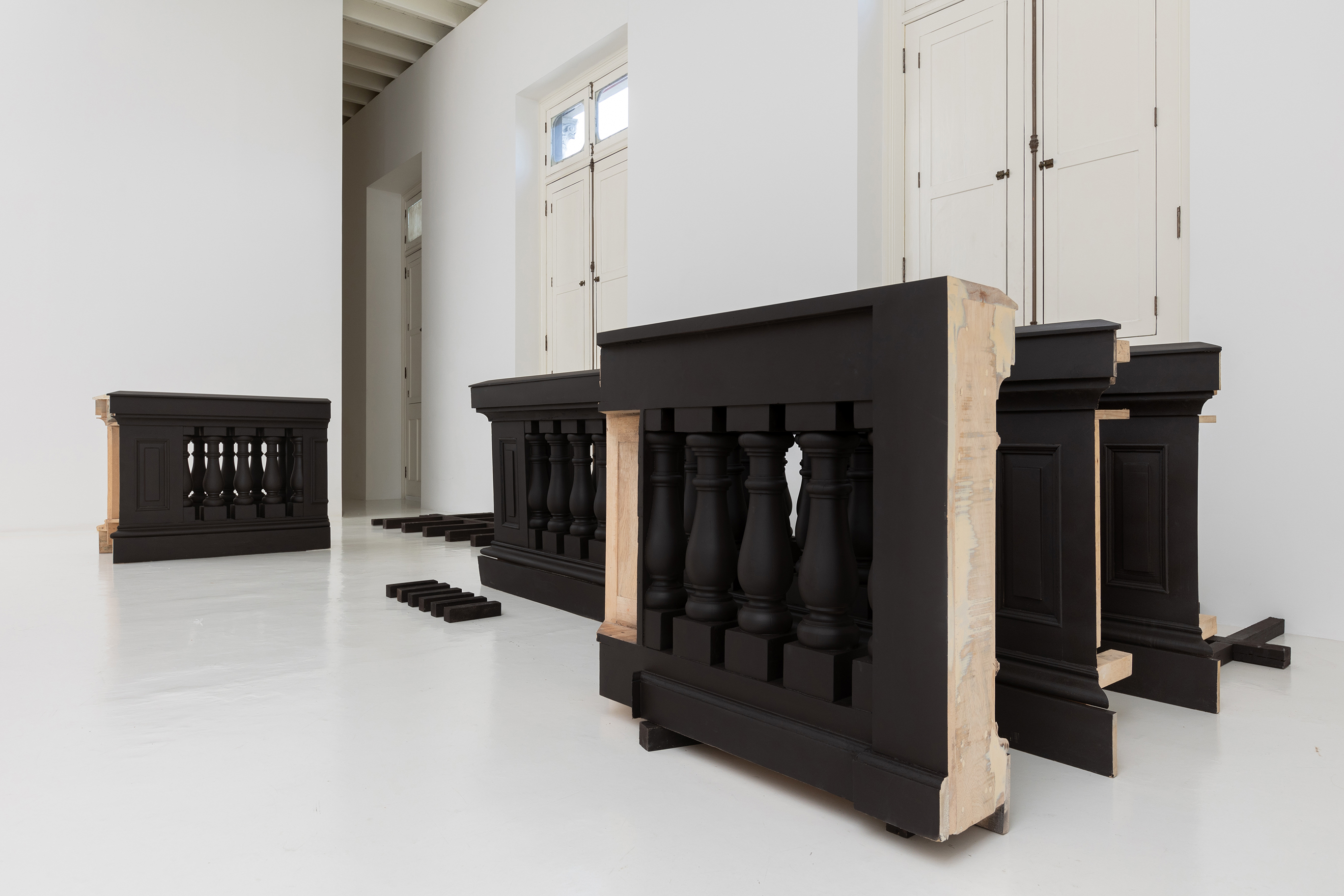 Streets in the Air
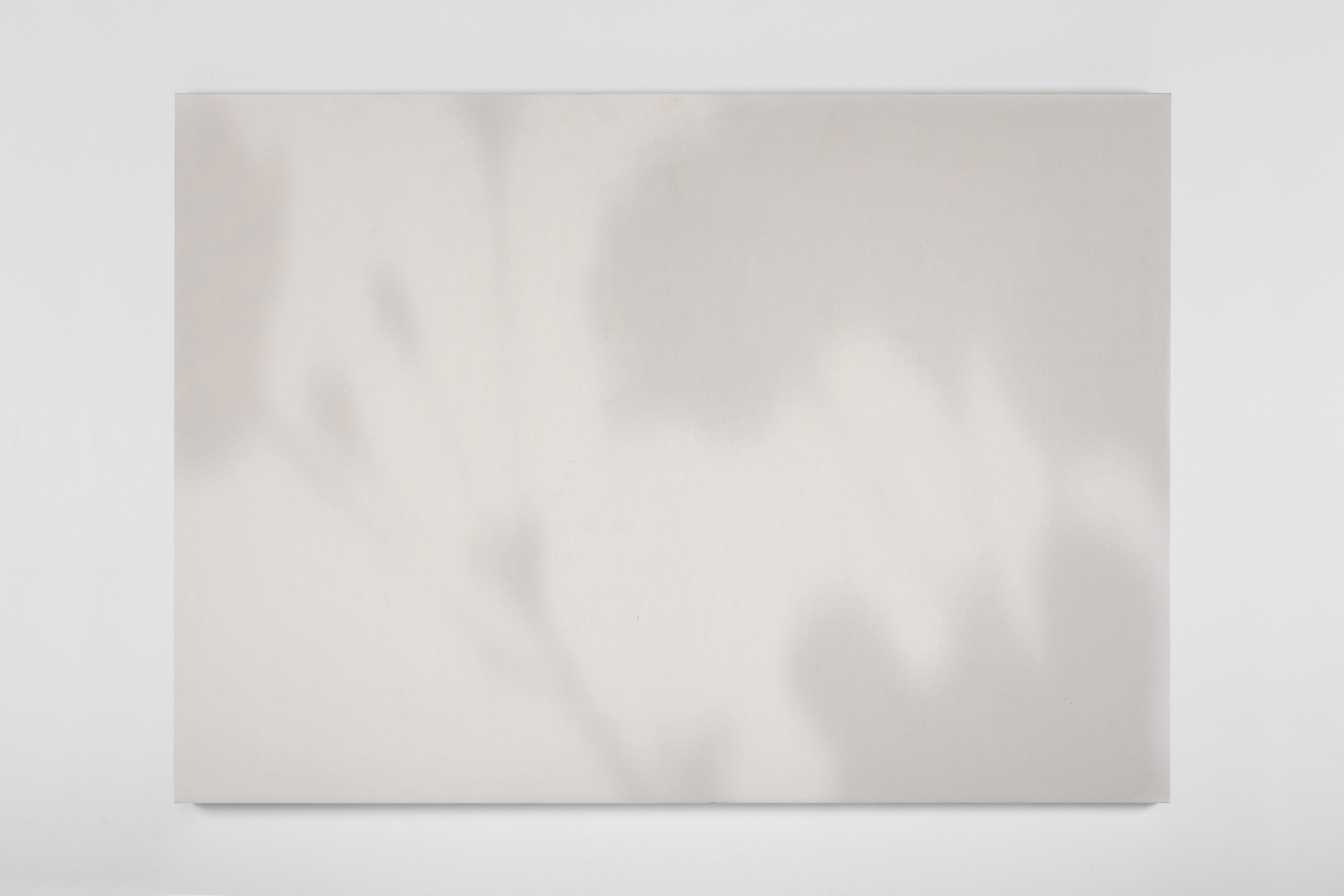 Untitled
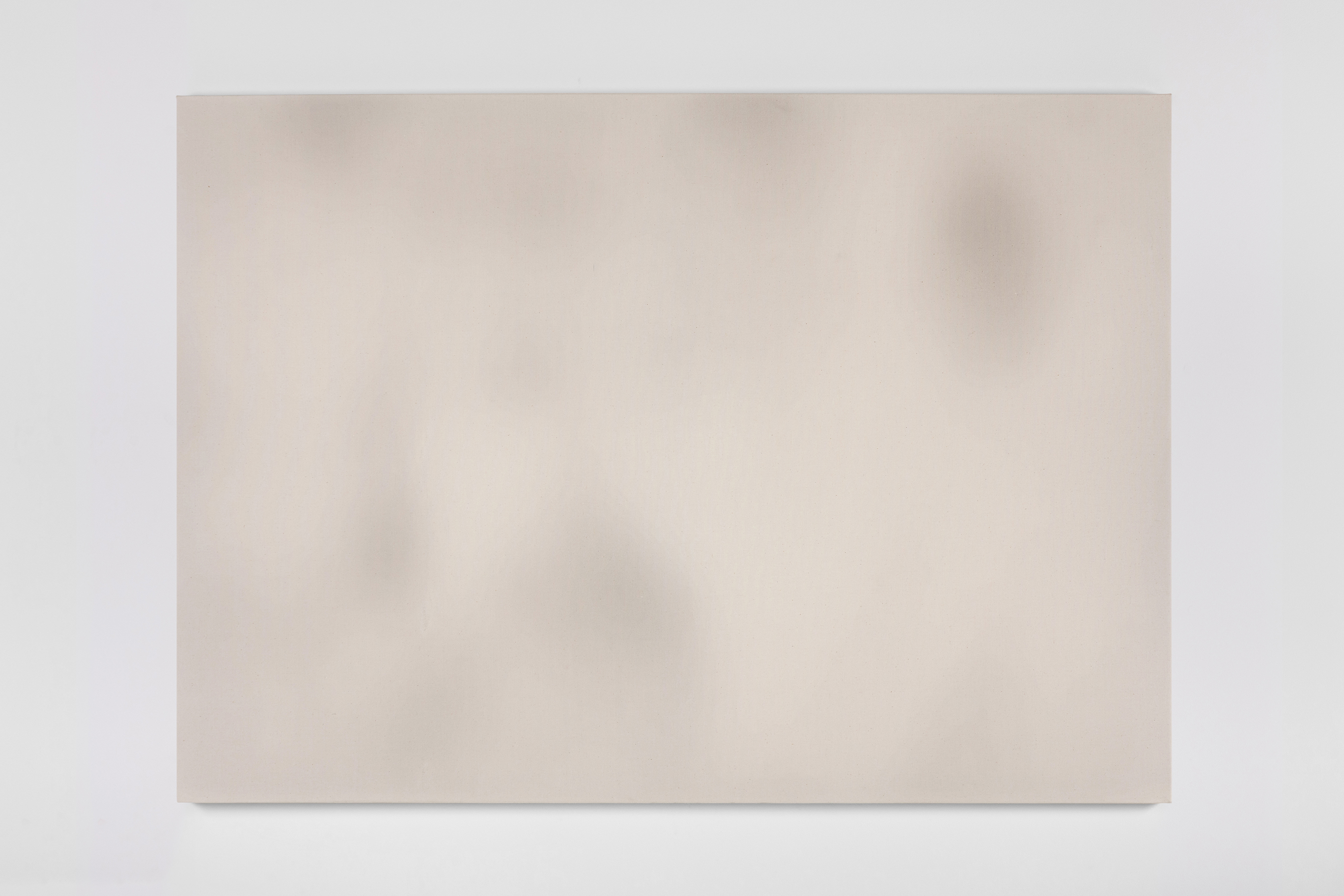 Untitled
 Untitled
 Untitled